BATANGAS DIVING SEASON
Although diving here is possible all year round, it is best to dive here between November and June. Typhoon season intensifies between July and September resulting in choppy waves and poor visibility.
Anilao Batangas Dive Spots
Cathedral Marine Sanctuary
Approximately 23 meters off Bagalangit Point lies a giant rock formation that looks like a roofless underwater amphitheatre. Originally barren, the Cathedral has been seeded with corals. Moorish idols, parrot fish, and the usual reef dwellers all cluster around divers and peer into their masks.
Layag-Layag Reef
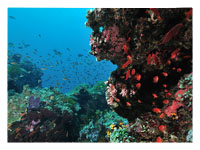
Layag Layag Reef Batangas
Extensive coral formation on a shallow, steep slope. On the south side of this open-water area, a ledge drops to about 20 to 30 meters from close to the surface.
Sombrero Island
On the surface, this island resembles a hat underwater, so its profile make the name Sombrero even more appropriate. The rim of the "hat" stretches a long way underwater from north to south. Gorgonians, black coral, shells, turtles, rays, grunts, jacks, snappers, and a great variety of soft corals are scattered all over the place. Currents are normally strong during the full moon.
Sepok
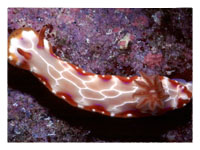
Sepok Wall Batangas
The rim of the drop-off due west of Sepok Point and running southwest is a very good divesite with a wide variety of marine life. A great number of small reef fish dart in and out of the numerous corals.
Mapating Rock
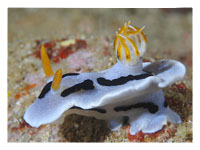
Mapating Rock Batangas
This open reef is for experienced divers only and its exploration requires help from local dive guides. The rock itself is surrounded by a fairly shallow area at about 12 meters, ending in a series of drop-offs running down to about 20 meters or more.
Nasugbu Batangas Dive Spots
Twin Islands
Pink Wall, Starting from a rocky bottom with a small cave at 20’ the bottom leads down a wall covered with masses of soft pink coral, abundant with fish from large Filefishes, Moorish Idols, Moray Eels, Crayfish, Banded Coral Shrimps and many others, the bright pinks, reds and yellows make this an ideal night dive, depth from 20’ - 90’.
Coral Garden, A great variety of corals scattered over a sandy bottom leading to two walls, sting rays cover the whole area and on each dive it is not uncommon to find at least three or more. This diverse divesite is one of the most popular here and the diver soon discovers with its selection of corals how aptly named it is. Lion fish and Batfish are common in this area. Depth from 30 - 50’.
Twin East, Covered with whip corals the bottom soon drops down over a wall to 70’, with many small holes and crevasses this is an ideal divesite to take a flashlight on, sometimes sleeping nocturnal black and white catsharks are found under ledges. The wall drops down further before joining up with coral garden.
South East Reef, A newly discovered area covered in coral and fish, with a lot more exploration this could turn out to be an exceptional divesite. Depth 30 - 50’.
Awash Reef
Awash South, An incredible amount of soft and hard corals with huge fan corals and coral heads all over the area. Plenty of fish of all sizes adorn the area. This area can keep the avid diver occupied for hours exploring all the coral heads and small reefs that are scattered around the edge of the area.
Awash North, Hard corals cover this area down to 50’ where as you turn left to a wall at 60’ leading to a canyon wide enough for divers to swim through, Morays are seen swimming and the rare Frogfish is sometimes seen.
Fuego Point
Fuego Point, A lagoon shaped like a horseshoe with the most interesting and diverse collection of soft corals and sponges adorning the bottom down to 50’. South side an interesting deep dive following the corals down to 110’ over the sand, along the wall large angelfish are often seen along with large groupers and remoras. North side is fast gaining popularity amongst local divers as a site to explore, walls and canyons are host to an ever changing underwater scenery, a large cavern with sleeping sharks is often found.
Lo-oc Bay - Medio Island - Hamilo Cove from Maya-Maya
A favourite divesite, south side has many valleys from 25 - 70’ covered with a huge selection of soft and hard corals, fish are plentiful here both big and small, an excellent dive at any depth, Purple Flying Gurnards have been seen here also the rare Eagle Ray, north side is covered with rocks and boulders down to 80’, an excellent drift dive with large Parrot fish and Emperor Angelfish seen at the deepest depths, this is a dive you never want to end, ideal for multilevel diving.
Crayfish Cave a large slit cave which opens up to a chimney, the cave provides shelter to a multitude of fish and crayfish, occasionally sleeping sharks and Manta rays have been seen here, penetration of the cave is not possible but access from both sides is possible.
Hamilo Cove Wreck, A Japanese freighter was sunk here during the liberation of the Philippines by US forces in 1945, a silty low visibility dive 5-30’ at a depth of between 25-40’. Many schools of large Batfish live here along with Stonefish and large Lion Fish.
The Pinnacles and Cutad Island, further north these divesites are still being explored with encouraging results, good diving from 50’ down to 110’, many different fish seen here in the underwater valleys that cover the area.
Fortune Island
The Blue Holes are often described as the most interesting piece of underwater architecture ever seen, three large holes in the coral leading into an open topped cavern, whitetip reef sharks are often seen by the first diver down only to hide as the others follow, crystal clear water with visibility reaching 300’ on a good day.
The Wreck, located opposite the beach in 65’ of water the stern and keel of a steel Dutch freighter are found, you will soon be surrounded by schools of clownfish and damsels , nearby is a Volkswagen mini-bus inhabited by very large Lionfish.
Fortune NW, located between the blue holes and the wreck is some very spectacular coral formations with valleys dropping away to over 120’, large fan corals and sponges cover the area, some large schools of Jacks and Cuttlefish are frequently seen.