Region IV-A (CALABARZON) |
The region is composed of five provinces, namely: Cavite, Laguna, Batangas, Rizal, and Quezon; acronym CALABARZON. |
|
||||||
|


Provides profile, geography, map, places to stay and accommodations, tourist attractions, festivals and special interest.
Laguna Islands Philippines - Brief History - Climate - Population - Economy - Political Subdivision - Geography - Mount Makiling - Laguna De Bay
- Educational Institutions - Medical Services - Recreation / Commercial Establishments - Restaurants / Bars - Hotels - Resorts - Tour Packages
Going To Laguna - Historical Attractions - Natural Attractions - Cultural Attractions - Man-Made Attractions - Religious Attractions - Festivals
Laguna Major Historical Attractions
|
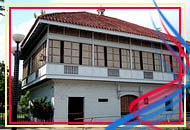
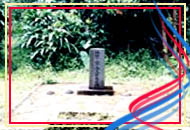
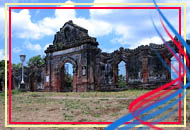
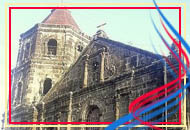
Rizal Shrine, Calamba City |
Pride of Calamba, Laguna, where Dr. Jose P. Rizal grew up. is a two-storey building that boasts of a Spanish-vintage architecture where Juan Nakpil was responsible. |
Nagcarlan Underground Cemetery Historical Landmark |
The underground cemetery is a circular wall structure, built in 18th century by the Franciscan Missionaries. The intricately designed wrought iron-gate on the red-tiled walk crosses the grounds leading straight to the opposite side, where an altar-like structure is located. The tombstones are embedded on the brick walls of the cemetery. At the crypt of the cemetery, according to history, is where the Katipuneros plotted against Spanish rule. |
Shrine of Nuestra Señora de Guadalupe |
Founded in 1687. Father Agustin dela Magdalena was the first cura assigned at the Parish. It is originallly chapel of bamboo and nipa. |
Homma – Yamashita Shrine Los Baños |
Four years of war occupation destroyed many buildings, roads, and bridges in and around Los Baños. In quick succession, the College of Agriculture becomes a Japanese camp for prisoners of war, an interment camp for allied nationals, a target of Kempetai punitive measures, and the headquarters of a secret organization of guerillas. |
Battle of Mabitac Mural |
Battle of Mabitac is considered to be one of the first successful battles fought against the American Regime during the Filipino-American War that happened on September 17, 1900. In the said encounter, the Filipino Forces headed by General Juan Cailles killed the US Commanding General Cheatam. |
Japanese Garden, Caliraya, Cavinti |
A shrine created by the Japanese Government in memory of the many Japanese soldiers who died during the bloody encounter between the Japanese troops and the Filipino-American troops at the close of World War II. |
Pila Town Plaza and Ancestral Homes, Pila |
|
Pinagbayanan Crematorium, Pila |
|
Biñan Town Plaza and Ancestral Homes, Biñan |
|