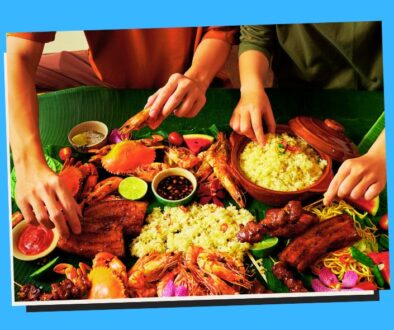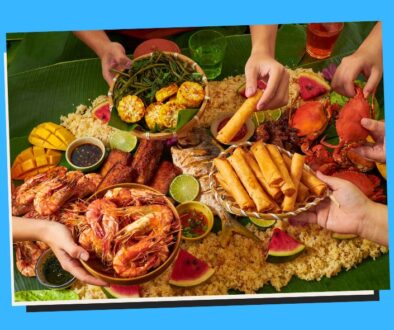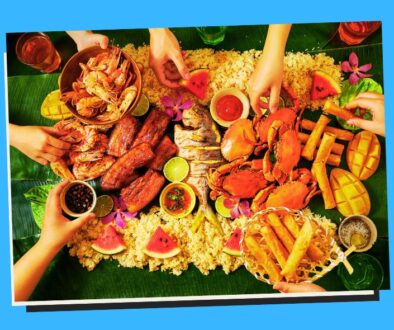
Why Your Favorite Filipino Dishes Taste So Creamy: Uncovering the Magic of Coconut in Every Bite
It’s more than a flavor; it’s the foundation. We explore the ‘Tree of Life’ and its vital role in Filipino cuisine, from the spicy Bicol region to the sweet desserts of the Visayas. Prepare for your next culinary obsession.
The Heart of Filipino Flavor: Unlocking the Magic of Coconut in Cuisine
The Philippines, an archipelago nation bathed in tropical sunshine, boasts a culinary tradition as vibrant and diverse as its seventy-six hundred islands. At the heart of this rich gastronomic landscape lies one humble, yet utterly essential, ingredient: the coconut. Revered as the “Tree of Life” (Buko), practically every part of this magnificent palm contributes to the Filipino way of cooking, eating, and living. More than just a flavor additive, the coconut is a foundation, a texture creator, and a cultural connector that defines many of the nation’s most beloved dishes.
From the rich, velvety thickness of coconut milk (gata) that blankets savory stews to the sweet, delicate chew of young coconut meat (buko) in refreshing desserts, its versatility is unmatched. This article dives deep into the profound and unique role the coconut plays in Filipino cuisine, exploring its benefits, the pros and cons of its different forms, and the iconic dishes that celebrate its legacy.
The genius of Filipino cooking often lies in its balance—the interplay of sour (asim), salty (alat), and sweet (tamis). The coconut, with its inherent creamy sweetness, often steps in as the essential harmonizer, smoothing out the sharp tang of vinegar or the savory punch of shrimp paste (bagoong). It’s the silent hero that transforms a simple meal into a soulful experience.
10 Core Benefits of Coconut in Filipino Cooking
- Imparts Rich Creaminess: Coconut milk (gata) and cream instantly elevate any dish, providing a luxurious, velvety texture unmatched by dairy cream.
- Natural Flavor Base: It lends a distinct, tropical, and slightly nutty sweetness that forms the quintessential taste of Southern and Central Philippine regional cooking.
- Acts as a Natural Preservative: In some traditional preparations, the oil in coconut milk helps extend the shelf life of cooked dishes.
- Creates Latik (Toasted Coconut Curds): The residual solids from reducing coconut cream are fried into crispy, golden curds, used as a beloved topping for rice cakes.
- Moisture Retention: Coconut oil and milk keep baked goods and rice cakes (kakanin) moist and tender.
- Nutritional Boost: It adds beneficial Medium-Chain Triglycerides (MCTs), dietary fiber, manganese, and copper to the meal.
- Subtle Souring Agent: Young coconut water (buko juice) is sometimes used as a mild, refreshing souring agent for certain seafood soups.
- Thickening Agent: The heavy starch and fat content of coconut milk naturally thickens curries and stews without the need for flour or cornstarch.
- Aromatic Foundation: The simmering of coconut milk releases a distinct, comforting aroma that signals the preparation of an authentic Filipino meal.
- Zero-Waste Ingredient: Every part is utilized: the meat, water, milk, cream, and oil all find their way into a dish, reflecting a deep, sustainable culinary ethos.
Pros and Cons of Using Coconut Forms
| Form | Pro | Con |
| Coconut Milk (Gata) | Adds deep flavor and creamy texture to savory dishes like Laing. | High fat content (saturated) must be consumed in moderation. |
| Coconut Cream (Kakang Gata) | Essential for rich sauces and making latik. | Separates easily upon reheating if not handled properly. |
| Young Coconut Meat (Buko) | Provides a refreshing, delicate texture for desserts like Buko Pandan. | Highly perishable; must be consumed quickly. |
| Grated Coconut (Fresh/Desiccated) | Perfect coating for rice cakes (Palitaw, Puto). | Can become dry or tough if overcooked or old. |
| Coconut Oil (VCO) | High smoke point, excellent for frying. Contains healthy MCTs. | Flavor can be overpowering in delicate dishes. |
| Coconut Water (Buko Juice) | Natural, refreshing electrolyte drink. | Low in sodium, not a complete electrolyte replacement for heavy dehydration. |
| Coconut Sugar | Lower glycemic index than refined white sugar. | More expensive than standard sugars. |
| Coconut Vinegar | Natural ferment, distinct tangy flavor for marinades and dipping sauces. | Flavor can be harsh if not fermented or aged correctly. |
| Macapuno (Coconut Sport) | Rare, jelly-like, sweet flesh prized in high-end desserts. | Difficult to find and significantly more expensive than regular coconut. |
| Latik (Curds) | Adds a toasted, nutty crunch and aroma to sweets. | Requires constant stirring to prevent burning during preparation. |
Case Studies in Filipino Coconut Cuisine
- Bicol Express: The quintessential coconut milk dish, proving that gata is the perfect medium to temper the intense heat of chilies and the saltiness of shrimp paste.
- Laing: Taro leaves are slowly simmered in thick coconut cream until tender, demonstrating the coconut’s ability to transform simple greens into a rich, complex main course.
- Adobo sa Gata: The classic adobo (vinegar and soy sauce) is softened and enriched with coconut milk, illustrating the coconut’s role as a balancing flavor agent against acidity.
- Kari-Kari: While traditionally peanut-based, regional variations often add coconut milk for a thicker, sweeter, and more luxurious broth.
- Kinunot: A dish from the Bicol region using stingray, coconut milk, and malunggay (moringa) leaves, showcasing the coconut’s ability to pair with strong-flavored seafood.
- Biko: A sticky rice cake that relies entirely on coconut milk for its creamy texture and richness, topped with latik, highlighting the zero-waste philosophy.
- Paksiw na Isda sa Gata: Fish simmered in vinegar, ginger, and coconut milk, proving the coconut can coexist with sour flavors for a complex sweet-sour-savory profile.
- Ginataang Halo-Halo (Binignit): A dessert soup combining tubers, plantains, tapioca, and glutinous rice balls, all suspended in a sweet coconut milk broth, demonstrating its role as a unifying liquid base.
- Buko Pandan: The simplest yet most iconic dessert, using young coconut meat (buko), pandan-flavored gelatin, and coconut cream, celebrating the fresh, cooling taste of the fruit.
- Bibingka: A traditional rice cake baked in a clay pot lined with banana leaves, where coconut milk is the primary moistening and flavoring agent, often topped with grated coconut.
Key Takeaways for the Coconut Enthusiast
- The “Tree of Life” is literal: Every part of the coconut palm—from its water to its oil—is used in the Filipino kitchen, making it the most economical and sustainable resource.
- Not all Gata is created equal: Kakang gata (coconut cream, the “first press”) is used for richer, thicker sauces, while Gata (coconut milk, the “second press”) is used for lighter broths.
- Coconut is a culinary diplomat: It is frequently used to harmonize intense, strong flavors like chili, shrimp paste, and vinegar.
- Latik is a secret weapon: These toasted coconut curds add a vital textural and aromatic component to many desserts.
- It’s a staple, not an accent: In many regions, particularly Bicol, the coconut is the primary cooking medium for nearly all savory dishes.
- The Kakanin are defined by it: Filipino rice cakes simply would not exist without the binding, moistening, and flavoring power of coconut milk.
- Freshness matters immensely: While canned products are common, the best, most aromatic dishes come from freshly grated and pressed coconut.
- It supports wellness: From hydrating buko water to MCT-rich coconut oil, its use is rooted in traditional wellness practices.
- Coconut defines the tropical palate: The distinct gata flavor is what separates many Southeast Asian cuisines, and in the Philippines, it delivers a signature creamy, earthy profile.
- Cultural Symbolism: Sharing coconut-based dishes like Buko Salad or Biko is a symbol of hospitality, warmth, and the tropical bounty of the islands.
Frequently Asked Questions (FAQs) about Coconut in Filipino Dishes
| Q | A |
| 1. What is gata? | Gata is the Tagalog word for coconut milk, extracted from the grated meat of a mature coconut. |
| 2. What is the difference between gata and kakang gata? | Kakang gata is the ‘first press’—pure, thick coconut cream. Gata is the thinner milk resulting from a second press with added water. |
| 3. Is coconut milk a healthy fat? | It is high in saturated fat, but a large portion is in the form of Medium-Chain Triglycerides (MCTs), which are metabolized differently and associated with energy and weight management. |
| 4. Can I use canned coconut milk for authentic Filipino dishes? | Yes, absolutely. For best results, use “full-fat” canned coconut milk and chill it to separate the thick cream (for kakang gata) from the thinner milk. |
| 5. What is latik and how is it made? | Latik is a topping of toasted, golden coconut curds made by simmering thick coconut cream until the oil separates and the solids turn crunchy. |
| 6. Why is coconut water less common in cooking than coconut milk? | Coconut water is typically enjoyed as a fresh, hydrating drink. Coconut milk, extracted from the meat, is what provides the necessary creaminess and richness for stews and desserts. |
| 7. Are all Filipino rice cakes (kakanin) made with coconut? | Most traditional kakanin (sweets like Biko, Puto, Suman) rely heavily on coconut milk for texture, flavor, and a creamy mouthfeel. |
| 8. Does coconut oil have a high smoke point? | Yes, virgin coconut oil has a high smoke point, making it an excellent and healthy choice for sautéing and deep-frying. |
| 9. What is macapuno? | Macapuno, or coconut sport, is a naturally occurring mutant coconut with soft, thick, jelly-like flesh and very little water. It’s highly prized for desserts. |
| 10. How do you prevent coconut milk from curdling in savory stews? | Use full-fat milk/cream, avoid overheating, and simmer gently. Adding a small amount of salt or a souring agent (like vinegar or tamarind) before a rapid boil can help stabilize the emulsion. |
Conclusion: The Enduring Taste of Home
The coconut’s story in Filipino cuisine is a saga of resilience, resourcefulness, and flavor. It is the unifying thread that ties together the regional kitchens of the north and south, from the fiery Bicol Express to the cooling Buko Pandan. The Buko is not merely an ingredient; it is a cultural anchor, providing nourishment, shelter, and a taste of the tropical home for every Filipino, regardless of where they may be in the world. To taste coconut in a Filipino dish is to taste the sunshine, the soil, and the enduring spirit of the islands. Its creamy essence ensures that the most humble ingredients are elevated into unforgettable, deeply satisfying meals.
Link Resources
- How to Make Latik from a Can of Coconut Cream
- Laing Recipe Anyone Can Make at Home
- Effects of Coconut Oil on Your Health
- Coconut Industry Profile
- Filipino Sticky Rice Cake Recipe (Just Four Ingredients)
Key Phrases
- The Tree of Life
- Heart of Filipino flavor
- Creamy coconut essence
- Filipino soul food
- Ginataang dishes
- Balancing savory and sweet
- Tropical bounty
- Zero-waste ingredient
- Cultural anchor
- Authentic Filipino taste
Best Hashtags
- #FilipinoFood
- #CoconutPower
- #Gata
- #PhilippineCuisine
- #TreeOfLife
- #CoconutMilk
- #BicolExpress
- #PinoyCooking
- #Kakanin
- #TropicalEats

DisclaimerThe information is for educational purposes only and subject to change, and it is highly recommended to consult local authorities for the latest and most accurate updates. We do not constitute endorsement of any specific technologies or methodologies or endorse of any specific products or services.Work With UsWe’re always looking for new, exciting ways to collaborate with partners who share our enthusiasm for the Philippines. Work with us and explore exciting opportunities and join us in showcasing the Philippines to the world! |