Taste of Home: How Filipino Holiday Foods Unite Families Across Generations and Continents
Don’t just eat, experience! Our deep dive into Filipino holiday foods reveals the cultural significance, delicious recipes, and family traditions that make the season so special. Prepare to be inspired and hungry! 🤤
The Heart of the Feast: Unveiling the Magic of Filipino Holiday Foods
The Philippines, a nation renowned for its vibrant culture and warm hospitality, truly comes alive during the holiday season. At the core of these joyous celebrations lies an unparalleled culinary tradition: the elaborate spread of Filipino holiday foods. More than just sustenance, these dishes are a testament to family bonds, cultural heritage, and the sheer joy of sharing. From the savory to the sweet, each dish tells a story of tradition, adaptation, and communal spirit. This article delves into the captivating world of Filipino holiday cuisine, offering insights, how-to guides, and a celebration of the flavors that define a Filipino Christmas.
How-To: Preparing Your Own Filipino Holiday Feast
Creating a Filipino holiday spread might seem daunting, given the array of dishes, but with careful planning and a dash of passion, it’s a deeply rewarding experience. Here’s a simplified approach to preparing some classic Noche Buena (Christmas Eve) favorites:
1. Strategic Planning is Key:
- Menu Selection: Choose 3-5 main dishes, 2-3 desserts, and 1-2 side dishes to start. Don’t try to make everything in one go.
- Ingredient Sourcing: Make a comprehensive list. Many ingredients, like specific sauces or cheeses, are best purchased from Filipino or Asian specialty stores.
- Timeline Management: Certain dishes benefit from advance preparation. For example, cured hams need time, and many desserts can be made a day or two before.
2. Mastering the Classics:
- Lechon (Roasted Pig): While typically ordered from specialists, a smaller Lechon Kawali (deep-fried pork belly) offers a similar crispy indulgence at home.
- Preparation (Lechon Kawali): Boil pork belly until tender. Score the skin, then air dry thoroughly in the refrigerator overnight for maximum crispiness. Deep-fry in hot oil until golden brown and crackling. Serve with liver sauce (Mang Tomas).
- Holiday Ham (Hamon): Often store-bought, but a homemade glaze elevates it.
- Preparation (Glaze): Combine pineapple juice, brown sugar, mustard, and a touch of soy sauce. Baste the ham frequently while baking until caramelized and fragrant.
- Pinoy-Style Spaghetti: A sweet and savory pasta dish beloved by all ages.
- Preparation: Sauté ground meat (pork or beef) with garlic and onions. Add banana ketchup, tomato sauce, hot dogs, and sugar. Simmer until flavors meld. Serve over cooked spaghetti, topped with grated cheese.
- Fruit Salad: A refreshing dessert.
- Preparation: Combine canned fruit cocktail, nata de coco (coconut gel), kaong (sugar palm fruit), shredded young coconut (buko), and a mixture of all-purpose cream and condensed milk. Chill thoroughly before serving.
- Leche Flan: A rich, creamy custard.
- Preparation: Prepare caramel by melting sugar in a llanera (oval mold). Whisk egg yolks with condensed milk and evaporated milk. Pour the mixture into the llanera and steam until set. Chill before inverting.
3. Embrace the Spirit:
- Involve the Family: Cooking for the holidays is a communal effort. Assign tasks to different family members, making it a bonding experience.
- Don’t Fear Shortcuts: Pre-made sauces, frozen ingredients, or even ordering certain dishes can save time and reduce stress, allowing you to enjoy the celebration more.
Benefits of Traditional Filipino Feasting
Filipino holiday feasts offer more than just delicious food. They are a cornerstone of cultural identity and communal well-being.
- Strengthening Family Bonds: Meals are shared, fostering conversation and togetherness.
- Preserving Cultural Heritage: Recipes passed down through generations keep traditions alive.
- Showcasing Hospitality: Filipinos are known for their generosity, and food is the ultimate expression of welcome.
- Creating Lasting Memories: The aromas and tastes of holiday food become cherished nostalgic moments.
- Promoting Communal Sharing: Dishes are often served “family style,” encouraging everyone to partake.
- Celebrating Abundance and Gratitude: The lavish spread symbolizes blessings and thankfulness.
- Providing a Sense of Comfort: Familiar flavors evoke feelings of home and security.
- Encouraging Culinary Exploration: The diverse spread introduces guests to various Filipino flavors.
- Fostering Generational Connection: Grandparents share cooking wisdom with younger family members.
- Boosting Local Economies: Sourcing ingredients from local markets supports farmers and small businesses.
Tips for a Successful Filipino Holiday Food Spread
Planning and executing a festive Filipino holiday meal can be made smoother with these practical tips:
- Start Early: Begin your menu planning and ingredient shopping well in advance to avoid last-minute rushes.
- Delegate Tasks: Involve family members in food preparation, assigning roles based on their skills and preferences.
- Prioritize Make-Ahead Dishes: Prepare dishes like Embutido, Lumpia Shanghai, or dessert bases a day or two before to save time on the actual holiday.
- Balance Flavors: Ensure a mix of savory, sweet, tangy, and rich dishes to keep the palate engaged.
- Consider Dietary Needs: Offer a few options for guests with dietary restrictions, even if it’s just a simple vegetable dish.
- Focus on a Centerpiece: Choose one or two “star” dishes (like Lechon or Holiday Ham) to be the focal point of your spread.
- Presentation Matters: Arrange dishes appealingly. Garnish with fresh herbs, colorful vegetables, or fruit.
- Keep it Warm: Invest in chafing dishes or slow cookers to keep hot dishes at the ideal temperature throughout the meal.
- Prepare for Leftovers: Have containers ready for guests to take home a share of the feast.
- Don’t Forget the Rice! Steamed white rice is the essential accompaniment to almost every Filipino dish. Make plenty!
Case Studies: The Enduring Charm of Filipino Food Celebrations
These examples illustrate the profound impact and cultural significance of Filipino holiday foods:
- The Overseas Filipino Worker’s Noche Buena: A family recounts how their Noche Buena spread, prepared with ingredients sourced from Asian markets abroad, serves as a vital link to their homeland and extended family, bridging geographical distances through shared culinary heritage.
- The Provincial Fiesta’s Grand Table: A small town’s annual fiesta showcases an unparalleled array of local delicacies, highlighting regional variations of classic holiday dishes and drawing visitors from across the country, boosting local tourism and pride.
- A Culinary School’s Filipino Holiday Workshop: A renowned culinary institution offers workshops focused on traditional Filipino holiday foods, attracting both aspiring chefs and home cooks eager to master these celebratory recipes, ensuring their continuity.
- The Community Potluck in the City: Urban communities organize potluck Noche Buena gatherings, where each family brings a signature holiday dish, celebrating diversity while fostering a sense of extended family.
- A Family Business Thriving on Holiday Orders: A local catering business specializing in Lechon and Hamon experiences its peak season during the holidays, demonstrating the high demand and cultural importance of these specific dishes.
- The Blogger Documenting Heirloom Recipes: A popular food blogger dedicated to preserving Filipino culinary traditions publishes an annual series on Noche Buena and Media Noche (New Year’s Eve) recipes, inspiring a new generation to cook traditional dishes.
- Filipino Restaurants Abroad during the Holidays: Filipino restaurants in international cities see a significant surge in patronage during the Christmas season, serving as a taste of home for expatriates and an introduction to the cuisine for curious diners.
- The Impact of Social Media on Holiday Food Trends: The rise of food photography and online recipe sharing on platforms like TikTok and Instagram has popularized aesthetically pleasing versions of traditional holiday desserts, leading to new takes on classics.
- A Charity Initiative: Sharing the Noche Buena Feast: Non-profit organizations partner with local kitchens to prepare and distribute holiday meals to underprivileged families, ensuring that the spirit of abundance and sharing reaches everyone.
- The Grandparent’s Legacy through Food: A grandchild shares how their Lola’s (grandmother’s) unique Kare-Kare recipe became the most anticipated dish during family gatherings, solidifying its place as a cherished family heirloom.
Insights into Filipino Culinary Traditions
Beyond the deliciousness, Filipino holiday foods offer a window into deeper cultural values:
- Adaptability and Resourcefulness: Filipino cuisine readily incorporates foreign influences while making them uniquely Filipino, as seen in the Spanish-derived Lechon and Hamon.
- Emphasis on Freshness: Despite the use of preserved ingredients for convenience, there’s a strong preference for fresh, locally sourced produce and meats.
- Sweet and Savory Balance: Many Filipino dishes feature a harmonious blend of sweet, sour, and salty, creating complex and appealing flavor profiles.
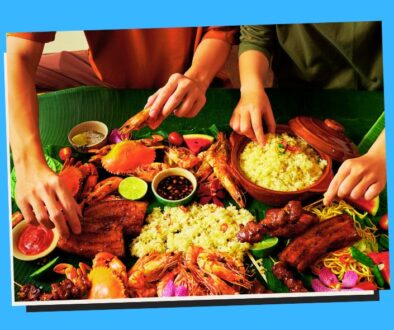
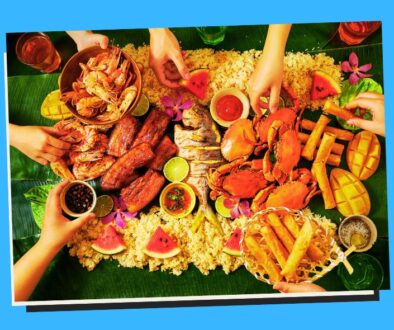
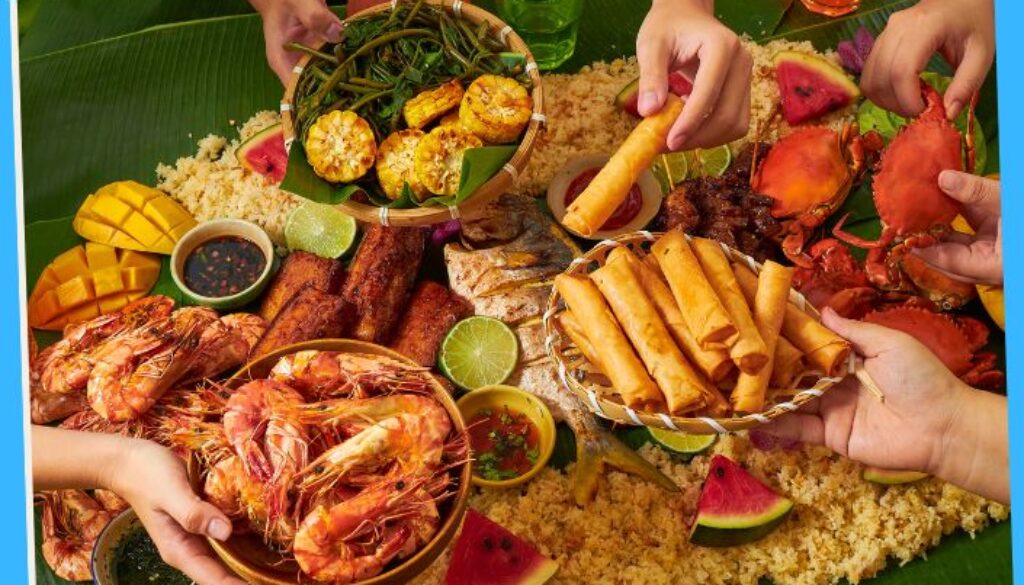
- Communal Eating (Kamayan): While not exclusive to holidays, the tradition of eating with hands highlights the communal and intimate nature of Filipino dining.
- The Importance of Rice: Rice is the staple. Every savory dish is designed to be eaten with copious amounts of steamed white rice.
- Hospitality as a Core Value: Offering food is a fundamental act of hospitality and welcome in Filipino culture, especially during celebrations.
- Food as a Symbol of Celebration: Grand feasts are synonymous with significant milestones and holidays, marking them as truly special occasions.
- Regional Diversity: While some dishes are universally loved, each region boasts its unique versions and specialties, reflecting the archipelago’s rich culinary landscape.
- The Role of Sauces: Dipping sauces, from spicy vinegar to rich liver sauce, are integral to enhancing the flavor experience of many dishes.
- Food as a Bonding Agent: Preparing food together, sharing stories over meals, and extending invitations to feast are powerful ways Filipinos connect and strengthen relationships.
FAQ with Answers about Filipino Holiday Foods
Q1: What is Noche Buena? A1: Noche Buena is the traditional Christmas Eve dinner celebrated in the Philippines, typically held after attending Simbang Gabi (dawn masses) or midnight mass. It’s a grand feast where families gather to welcome Christmas Day.
Q2: What are the must-have dishes for Noche Buena? A2: Common must-haves include Lechon (roasted pig), Holiday Ham, Pinoy-style Spaghetti, Fruit Salad, Leche Flan, Queso de Bola (Edam cheese), and Pancit (noodles).
Q3: Are Filipino holiday foods generally sweet or savory? A3: Filipino holiday foods offer a delightful balance of both. You’ll find savory main courses like Lechon and Adobo alongside sweet desserts like Leche Flan, Buko Pandan, and various rice cakes.
Q4: Is it common to cook all the Noche Buena dishes at home? A4: While some families still prepare everything from scratch, it’s increasingly common to combine homemade dishes with store-bought specialties, particularly for complex items like Lechon or cured hams, to ease the preparation burden.
Q5: What is the significance of “Media Noche”? A5: Media Noche is the New Year’s Eve feast in the Philippines. Similar to Noche Buena, it’s a lavish spread meant to usher in prosperity and good fortune for the coming year. Round fruits are often featured for good luck.
Q6: Why is Queso de Bola so popular during the holidays? A6: Queso de Bola, or Edam cheese, is a traditional holiday staple due to its distinct, slightly salty flavor and its impressive appearance on the Noche Buena table, often paired with ham and pandesal. Its spherical shape is also associated with good fortune.
Q7: What are Bibingka and Puto Bumbong? A7: These are traditional rice cakes often enjoyed during the Christmas season, especially after Simbang Gabi. Bibingka is a baked rice cake, usually topped with salted egg, cheese, and grated coconut. Puto Bumbong is a purple steamed glutinous rice cake served with butter, brown sugar, and grated coconut.
Q8: Are there any specific superstitions associated with holiday foods? A8: Yes, particularly for Media Noche. Round fruits (representing money/prosperity), sticky rice cakes (for strengthened family bonds), and noodles (for long life) are common superstitious food items.
Q9: How do Filipinos manage such a large feast? A9: It’s a collaborative effort! Family members often contribute dishes or help with preparation. Strategic planning, making dishes in advance, and sometimes ordering from caterers are common approaches.
Q10: What makes Filipino holiday food unique? A10: Its uniqueness lies in the fusion of indigenous, Spanish, Chinese, and American culinary influences, resulting in bold, complex flavors. More importantly, it’s the cultural emphasis on sharing, family, and celebration that truly defines it.
Conclusion
Filipino holiday foods are much more than just a collection of recipes; they are a vibrant tapestry woven with threads of history, family, and profound cultural values. Each dish, whether a succulent Lechon, a creamy Leche Flan, or a comforting bowl of Spaghetti, carries with it stories of generations past and hopes for the future. The preparation and sharing of these meals embody the Filipino spirit of generosity, resilience, and unwavering familial love. As the holiday lights twinkle and carols fill the air, the aroma of a Filipino feast signals the ultimate celebration of togetherness and the enduring magic of the season. So, gather your loved ones, prepare to indulge, and immerse yourselves in the rich, flavorful world of Filipino holiday traditions. Maligayang Pasko at Manigong Bagong Taon! (Merry Christmas and a Prosperous New Year!)
Link Resources
- Panlasang Pinoy – (A comprehensive source for Filipino recipes)
- Kawaling Pinoy – (Another excellent resource for authentic Filipino dishes)
- Taste Atlas – Filipino Cuisine – (General overview of Filipino cuisine and popular dishes)
- An Affair With Food (Blog): Many food blogs by Filipino authors often feature holiday recipes and traditions. Search for “Filipino Noche Buena blog” for diverse perspectives.
- Food.com – Filipino Holiday Recipes – (Compilation of holiday-specific recipes)
Key Phrases
- Noche Buena Feast
- Filipino Christmas Traditions
- Holiday Culinary Heritage
- Traditional Filipino Recipes
- Shared Family Meals
- Pasko Food Culture
- Filipino Hospitality in Food
- Celebratory Filipino Dishes
- Cultural Food Identity
- Festive Filipino Cuisine
Best Hashtags
#FilipinoFood #NocheBuena #Pasko #PinoyFood #HolidayFeast #FilipinoCuisine #ChristmasInThePhilippines #FoodTraditions #Kulinarya #FamilyTraditions

DisclaimerThe information is for educational purposes only and subject to change, and it is highly recommended to consult local authorities for the latest and most accurate updates. We do not constitute endorsement of any specific technologies or methodologies or endorse of any specific products or services.Work With UsWe’re always looking for new, exciting ways to collaborate with partners who share our enthusiasm for the Philippines. Work with us and explore exciting opportunities and join us in showcasing the Philippines to the world! |