Experience the Filipino Tradition of Kamayan: Eating with Your Heart and Hands
Uncover the timeless tradition of Kamayan, where Filipino food meets cultural celebration and community bonding.
The Filipino Way of Eating: Kamayan and Beyond 🍽️🇵🇭
Filipino cuisine is a vibrant tapestry of history, culture, and community; nothing exemplifies this better than the traditional way of eating known as Kamayan. Derived from the Filipino word kamay, meaning “hand,” Kamayan refers to the age-old practice of eating with your hands. It is not merely about food consumption but a ritual of bonding, respect, and sharing.
This article explores the Filipino way of eating, from Kamayan’s rich cultural roots to its modern interpretations, and the broader philosophy surrounding Filipino communal dining. Whether Filipino or simply interested in cultural gastronomy, understanding this tradition offers profound insight into Filipino identity and hospitality. Alongside, we will provide practical benefits, tips, and real-life case studies to appreciate and adopt this practice respectfully and joyfully.
Understanding Kamayan: The Heart of Filipino Dining
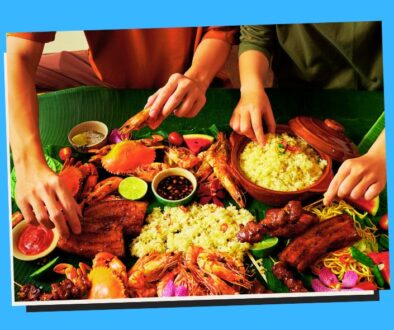
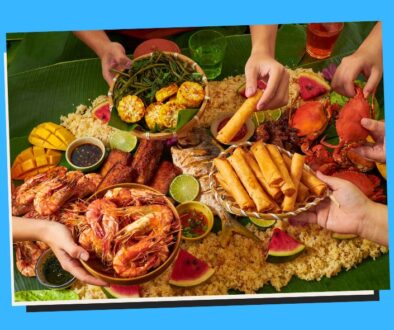
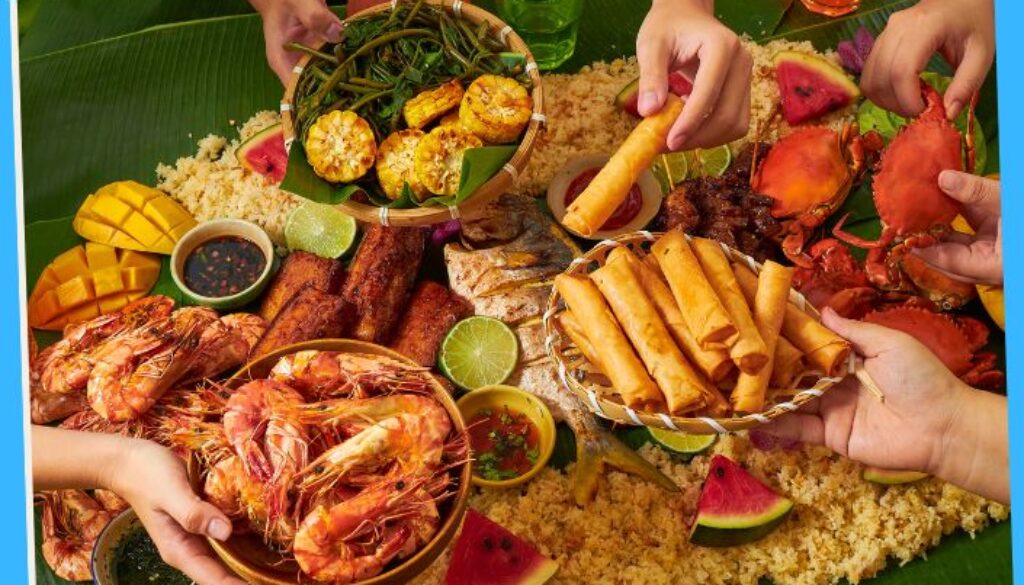
Kamayan is more than a method — it is a philosophy of connection. Traditionally, meals are served on banana leaves spread over a table or floor, encouraging diners to eat directly with their fingers. The process engages all senses and promotes mindfulness in eating. Kamayan is common in celebrations, fiestas, and casual family meals.
Beyond Kamayan, Filipino dining embraces communal sharing, emphasizing generosity and togetherness. This is visible in the boodle fight, a military-inspired communal feast involving large amounts of food served on banana leaves, where everyone eats together with their hands.
Benefits of Embracing Kamayan and the Filipino Way of Eating
- Enhanced Sensory Experience: Eating with hands enhances taste and texture awareness.
- Strengthened Social Bonds: Sharing food physically draws people closer.
- Promotes Mindful Eating: Focusing on hand-to-mouth action slows down the pace, aiding digestion.
- Cultural Connection: Preserves and honors Filipino traditions.
- Reduces Need for Utensils: Eco-friendly by minimizing use of plastic or metal cutlery.
- Increases Appreciation of Food: Engages multiple senses, making food more satisfying.
- Encourages Sharing and Generosity: Communal meals foster a spirit of giving.
- Builds Family and Community Unity: Eating together enhances interpersonal connections.
- Fun and Interactive: Eating Kamayan is an engaging activity that breaks formality barriers.
- Health Benefits: Hands are a natural tool for eating and can help with portion control when mindful.
Practical Tips for Enjoying Kamayan Respectfully and Hygienically
- Wash Your Hands Thoroughly: Clean hands are essential before and after eating.
- Use the Right Fingers: Traditionally, only the fingers (not the whole hand) are used.
- Practice Portion Control: Take manageable amounts to avoid a mess.
- Respect the Host’s Customs: Observe how the meal is served and follow suit.
- Use Banana Leaves or Plates: Serve food on banana leaves for authenticity and eco-friendliness.
- Avoid Double Dipping: Take your food portions carefully.
- Keep Napkins Handy: For quick cleanups during the meal.
- Be Mindful of Others: Avoid loud noises or messy eating.
- Engage in Conversation: Enjoy the social aspect of communal dining.
- Try New Dishes: Be open to tasting various Filipino dishes traditionally served in Kamayan style.
Key Insights About the Filipino Way of Eating
- Kamayan predates the Spanish colonization and has roots in indigenous Filipino customs.
- The practice highlights a deep respect for food and nature, often using banana leaves as biodegradable plates.
- Kamayan encourages slowing down to enjoy the flavors and company.
- It emphasizes equality, as everyone eats from the same spread.
- The practice is prevalent in many regions but varies in presentation and dishes.
- Modern Kamayan feasts combine traditional and contemporary Filipino dishes.
- It is a symbol of Filipino hospitality, welcoming guests to share in abundance.
- Kamayan fosters intergenerational connections, as elders teach younger generations.
- The communal aspect reflects the Filipino value of bayanihan or cooperation.
- The practice is gaining popularity globally, with Filipino restaurants promoting Kamayan dining experiences.
Inspiring Filipino Kamayan Case Studies
- The Boodle Fight Revival: Filipino veterans organizing boodle fights to keep tradition alive.
- Kamayan Pop-Up Restaurants: Filipino chefs introducing Kamayan dining in New York and Los Angeles.
- Family Reunions in the Philippines: Extended families gathering to feast Kamayan-style during Christmas.
- Filipino Food Festivals: Large-scale Kamayan spreads attract locals and tourists.
- Eco-friendly Catering Companies: Promoting banana leaves and Kamayan to reduce waste.
- Online Kamayan Cooking Classes: Teaching Filipinos abroad to connect with culture.
- Corporate Team Building Events: Kamayan meals used as a bonding activity.
- Filipino Weddings: Incorporating Kamayan to celebrate heritage.
- University Cultural Events: Students showcasing Kamayan as part of Filipino identity.
- Hospitality Training: Kamayan included to teach cultural sensitivity and guest service.
Frequently Asked Questions (FAQs)
- What is Kamayan exactly?
Kamayan is the traditional Filipino practice of eating with one’s hands, often from a communal spread on banana leaves. - Is it hygienic to eat with your hands?
Yes, provided hands are washed properly before and after eating. - What dishes are commonly served during Kamayan?
Popular dishes include grilled meats (lechon, inihaw), seafood, rice, vegetables, and dipping sauces. - Can Kamayan be done in formal settings?
Yes, many Filipino restaurants offer Kamayan feasts in both casual and formal environments. - Is Kamayan practiced all over the Philippines?
Yes, though the style and dishes vary by region. - How do you eat rice with your hands?
Use your fingers to gather small portions, pressing the rice lightly before eating. - Why use banana leaves?
Banana leaves are traditional, eco-friendly, and add aroma and flavor to the food. - Can non-Filipinos practice Kamayan?
Absolutely. Kamayan is a cultural experience open to all who respect its traditions. - Is Kamayan only for celebrations?
No, it is practiced daily in some communities and during special occasions. - How to host a Kamayan feast?
Prepare a communal spread, lay out banana leaves, wash hands, and invite guests to eat together using their hands.
Conclusion
The Filipino way of eating — Kamayan and beyond — is a beautiful, sensory, and social experience that invites everyone to slow down, connect, and celebrate food as more than sustenance. It transcends mere dining by fostering relationships, honoring tradition, and embodying the spirit of Filipino hospitality and community.
Whether you are a Filipino reconnecting with your roots or a curious global citizen eager to explore culture through cuisine, embracing Kamayan is an invitation to share warmth, joy, and respect for food and each other. So, gather your loved ones, spread the banana leaves, and savor every bite — the Filipino way! 🇵🇭✨
Link Resources
- Eat Local in the Philippines
- Kamayan feasts: The ‘hands-only’ meals that bring Filipinos together
- Philippine Tourism: Food and Festivals
- Serious Eats: Guide to Kamayan Feasts
- Chef Richie Castillo on the ABCs of Filipino cuisine
Key Phrases
- Filipino way of eating
- Kamayan tradition
- Boodle fight feast
- Filipino communal dining
- Eating with hands Philippines
- Kamayan cultural practice
- Filipino food sharing
- Banana leaf dining
- Kamayan etiquette
- Filipino hospitality tradition
Best Hashtags
#KamayanExperience
#FilipinoFoodCulture
#BoodleFight
#EatWithHands
#FilipinoHospitality
#FilipinoTradition
#BananaLeafFeast
#FilipinoCuisine
#KamayanStyle
#FoodAndCulture

DisclaimerThe information is for educational purposes only and subject to change, and it is highly recommended to consult local authorities for the latest and most accurate updates. We do not constitute endorsement of any specific technologies or methodologies or endorse of any specific products or services.Work With UsWe’re always looking for new, exciting ways to collaborate with partners who share our enthusiasm for the Philippines. Work with us and explore exciting opportunities and join us in showcasing the Philippines to the world! |