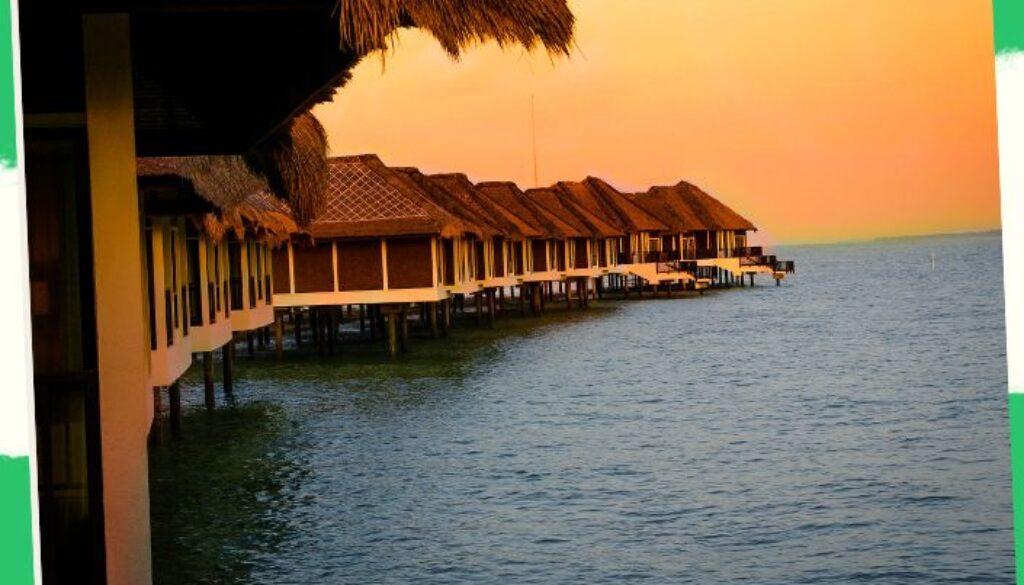
Escape to Nature: Eco-Friendly Resorts in the Philippines
Escape the hustle and bustle of city life and reconnect with nature at eco-friendly resorts in the Philippines, where every stay is a step towards preserving our planet.
Green Getaways: A Guide to Eco-Friendly Resorts in the Philippines 🌿🌴
The Philippines, with its stunning natural landscapes and rich biodiversity, is a paradise for eco-conscious travelers seeking sustainable and responsible tourism options. From lush rainforests to pristine beaches, the Philippines offers a diverse range of eco-friendly resorts that prioritize environmental conservation, community engagement, and sustainable practices. In this comprehensive guide, we’ll explore some of the top eco-friendly resorts in the Philippines, provide tips on how to make your stay more environmentally friendly, and highlight the unique features that make each resort a green getaway destination.
Why Choose Eco-Friendly Resorts in the Philippines? 🌎
Opting for eco-friendly resorts in the Philippines allows travelers to:
- Minimize Environmental Impact: Support resorts that prioritize sustainable practices to protect the country’s natural beauty and biodiversity.
- Support Local Communities: Contribute to local economies and communities by choosing resorts that engage in community development and empowerment initiatives.
- Enjoy Unique Experiences: Experience the beauty of the Philippines while participating in eco-friendly activities such as wildlife conservation, organic farming, and sustainable tourism practices.
Top Eco-Friendly Resorts in the Philippines 🏝️
1. Dedon Island Resort, Siargao 🌊
Dedon Island Resort, nestled on the serene island of Siargao, is a luxurious eco-retreat that combines sustainable design with barefoot luxury. This award-winning resort is renowned for its commitment to environmental conservation and community development.
Notable Features:
- Bamboo Architecture: Villas and common areas are constructed using sustainable bamboo materials.
- Permaculture Farm: Guests can explore the resort’s organic farm and learn about sustainable agriculture practices.
- Community Engagement: Dedon Island Resort supports local communities through education, employment, and social welfare programs.
Tips for Your Stay:
- Join Sustainability Tours: Participate in guided tours of the resort’s eco-friendly initiatives and learn about sustainable living practices.
- Eco-Adventure Activities: Explore Siargao’s natural wonders through eco-friendly activities such as kayaking, surfing, and snorkeling.
- Support Local Artisans: Purchase handmade crafts and products created by local artisans in the resort’s boutique.
2. Atmosphere Resorts & Spa, Dumaguete 🌺
Situated on the picturesque island of Negros Oriental, Atmosphere Resorts & Spa offers a luxurious yet sustainable retreat surrounded by lush tropical gardens and pristine marine sanctuaries. This eco-friendly resort is committed to conservation, education, and community empowerment.
Notable Features:
- Marine Sanctuary: Atmosphere Resorts & Spa operates a protected marine sanctuary for coral reef conservation and marine biodiversity.
- Solar Power: The resort utilizes solar panels for energy production, reducing its carbon footprint.
- Local Sourcing: Ingredients for the resort’s restaurant are sourced locally, supporting sustainable agriculture and reducing food miles.
Tips for Your Stay:
- Eco-Diving: Explore the resort’s marine sanctuary through guided eco-diving tours and discover colorful coral reefs and marine life.
- Yoga and Wellness: Participate in eco-friendly yoga and wellness classes held in serene outdoor settings, surrounded by nature.
- Responsible Dining: Enjoy sustainably sourced seafood and organic produce at the resort’s restaurant, supporting local fishermen and farmers.
3. Amorita Resort, Bohol 🌴
Perched atop a limestone cliff on Panglao Island, Amorita Resort offers breathtaking views of the Bohol Sea and Alona Beach. This eco-friendly resort blends contemporary luxury with sustainable practices, providing guests with an unforgettable island getaway.
Notable Features:
- Rainwater Harvesting: The resort utilizes rainwater harvesting systems for irrigation and landscape maintenance, reducing water consumption.
- Reforestation Initiatives: Amorita Resort supports reforestation projects on Panglao Island to preserve native flora and fauna.
- Cultural Immersion: Guests can participate in cultural immersion activities such as cooking classes, guided tours, and arts and crafts workshops with local artisans.
Tips for Your Stay:
- Island Exploration: Discover the natural beauty of Bohol through eco-friendly activities such as island hopping, nature walks, and birdwatching tours.
- Wellness Retreats: Indulge in eco-friendly spa treatments and wellness retreats inspired by traditional Filipino healing practices and natural ingredients.
- Responsible Tourism: Learn about the resort’s sustainability initiatives and participate in beach cleanups, tree planting, and environmental awareness programs.
4. El Nido Resorts, Palawan 🏖️
El Nido Resorts operates four eco-luxury island resorts in the stunning Bacuit Bay archipelago of Palawan. These resorts are committed to sustainable tourism practices, environmental conservation, and community development, offering guests an unparalleled island paradise experience.
Notable Features:
- Coral Reef Protection: El Nido Resorts implements coral reef protection and restoration programs to preserve marine biodiversity.
- Community Development: The resorts engage in community development projects such as education, healthcare, and livelihood programs for local communities.
- Low-Impact Design: El Nido Resorts’ properties are designed with sustainability in mind, utilizing locally sourced materials and renewable energy sources.
Tips for Your Stay:
- Island Conservation Tours: Join guided tours to El Nido Resorts’ conservation areas and learn about efforts to protect and preserve the region’s ecosystems.
- Eco-Adventure Activities: Explore the natural wonders of Palawan through eco-friendly activities such as snorkeling, kayaking, hiking, and birdwatching.
- Cultural Immersion: Experience the rich cultural heritage of Palawan through cultural performances, cooking classes, and visits to local communities supported by the resorts.
Tips for Eco-Friendly Travelers 🌿
1. Reduce Your Carbon Footprint 🚶♂️
- Choose Sustainable Transportation: Opt for eco-friendly modes of transportation such as walking, biking, or using public transit whenever possible.
- Offset Your Carbon Emissions: Consider offsetting your carbon emissions from travel by supporting carbon offset projects or initiatives.
2. Conserve Water and Energy 💧
- Practice Water Conservation: Take shorter showers, reuse towels, and report any leaks or water wastage to resort staff.
- Turn Off Lights and Electronics: Be mindful of energy consumption by turning off lights, air conditioning, and electronics when not in use.
3. Support Local Communities 🤝
- Shop Locally: Purchase souvenirs, crafts, and products from local artisans and businesses to support the local economy.
- Respect Local Culture: Learn about and respect the cultural traditions, customs, and beliefs of the communities you visit.
4. Minimize Waste ♻️
- Reduce Single-Use Plastics: Bring reusable water bottles, utensils, and shopping bags to minimize plastic waste.
- Practice Waste Segregation: Dispose of waste properly and participate in recycling and composting programs offered by eco-friendly resorts.
5. Educate Yourself and Others 📚
- Learn About Sustainable Practices: Educate yourself about sustainable tourism practices and environmental conservation efforts in the destinations you visit.
- Share Your Knowledge: Spread awareness about the importance of eco-friendly travel and inspire others to make responsible choices.
Benefits of Ecotourism 🌱
- Environmental Conservation 🌍
Ecotourism promotes the preservation of natural habitats, wildlife, and ecosystems, ensuring that these treasures remain for future generations. - Economic Benefits 💸
Ecotourism generates revenue for local communities through job creation and the promotion of local products and services. - Cultural Preservation 🎭
It helps preserve and promote indigenous cultures and traditions by involving local communities in tourism activities. - Sustainable Development 🌱
Ecotourism encourages sustainable practices, reducing the environmental impact of tourism through responsible resource management. - Educational Opportunities 📚
Travelers gain a deeper understanding of environmental issues and conservation efforts through educational programs and activities. - Community Empowerment 👫
Local communities are empowered through participation in ecotourism, fostering a sense of ownership and pride in their natural and cultural heritage. - Health and Well-being 🌾
Engaging with nature and outdoor activities promotes physical and mental well-being for travelers. - Research and Monitoring 🦜
Ecotourism supports scientific research and monitoring efforts, contributing to the conservation of biodiversity. - Improved Infrastructure 🚧
The development of ecotourism can lead to improved infrastructure, such as better roads and communication networks, benefiting local communities. - Global Awareness 🌐
Ecotourism raises global awareness about environmental conservation and sustainable practices, inspiring travelers to adopt eco-friendly habits.
Case Studies of Ecotourism in the Philippines 🌏
- Bohol’s Chocolate Hills and Tarsier Sanctuary 🌋🐒
This ecotourism destination combines the unique geological formations of the Chocolate Hills with the conservation efforts for the endangered Philippine tarsier. - Palawan’s Tubbataha Reefs Natural Park 🐠
A UNESCO World Heritage Site, Tubbataha Reefs is a prime example of marine conservation and responsible diving tourism. - Donsol, Sorsogon – Whale Shark Interaction 🐋
This community-based ecotourism initiative allows travelers to swim with whale sharks while ensuring their protection and the welfare of local fishermen. - Apo Island, Negros Oriental 🐢
Known for its vibrant marine life and coral reefs, Apo Island’s marine sanctuary is a model of successful community-managed ecotourism. - Sagada, Mountain Province 🏔️
Sagada offers eco-friendly trekking, caving, and cultural experiences, highlighting the local Igorot culture and natural beauty of the region. - Sibuyan Island, Romblon 🌳
Home to Mount Guiting-Guiting Natural Park, Sibuyan Island promotes eco-friendly mountain climbing and biodiversity conservation. - Puerto Princesa Subterranean River National Park, Palawan 🌊
Another UNESCO World Heritage Site, this underground river offers sustainable tourism activities while protecting its unique ecosystem. - Siargao Island – Mangrove Forest and Marine Reserves 🌿
Siargao’s ecotourism efforts focus on mangrove conservation, marine protection, and sustainable surfing practices. - Cordillera Rice Terraces 🌾
The Ifugao Rice Terraces are a testament to sustainable agriculture and ecotourism, preserving ancient farming practices and the Ifugao culture. - Masungi Georeserve, Rizal 🏞️
This conservation area combines adventure tourism with environmental education and forest restoration efforts.
Key Takeaways 🌟
- Ecotourism is vital for the preservation of the Philippines’ natural and cultural heritage.
- Community involvement is essential for the success of ecotourism initiatives.
- Ecotourism generates economic benefits for local communities, promoting sustainable livelihoods.
- Educational programs are a cornerstone of ecotourism, raising awareness about environmental issues.
- Sustainable practices in ecotourism reduce the environmental impact of tourism activities.
- Conservation efforts in ecotourism protect endangered species and ecosystems.
- Cultural preservation is enhanced through ecotourism, celebrating and sustaining indigenous traditions.
- Health and well-being benefits are significant for travelers engaging in ecotourism activities.
- Improved infrastructure resulting from ecotourism benefits both tourists and local communities.
- Global awareness and advocacy for environmental conservation are strengthened through ecotourism.
FAQs About Ecotourism in the Philippines ❓
- What is ecotourism?
Ecotourism is responsible travel to natural areas that conserves the environment, sustains the well-being of local people, and involves interpretation and education. - How does ecotourism benefit local communities?
Ecotourism creates jobs, promotes local products and services, and empowers communities by involving them in tourism activities. - What are some popular ecotourism destinations in the Philippines?
Popular destinations include Palawan’s Tubbataha Reefs, Bohol’s Chocolate Hills, and the Cordillera Rice Terraces. - How can travelers participate in ecotourism?
Travelers can participate by choosing eco-friendly accommodations, supporting local businesses, and engaging in activities that promote environmental conservation. - What are the principles of ecotourism?
Key principles include minimizing environmental impact, building environmental and cultural awareness, providing financial benefits for conservation, and respecting local cultures. - Are ecotourism activities safe?
Yes, ecotourism activities are generally safe when conducted by reputable operators who follow sustainable and ethical practices. - How does ecotourism contribute to conservation?
Ecotourism supports conservation by generating funds for protected areas, promoting sustainable practices, and raising awareness about environmental issues. - What role does the government play in ecotourism?
The government plays a crucial role by establishing protected areas, creating policies and regulations, and promoting sustainable tourism initiatives. - Can ecotourism help combat climate change?
Yes, ecotourism can help combat climate change by promoting sustainable practices, reducing carbon footprints, and supporting conservation efforts. - How can I ensure my travel is eco-friendly?
To ensure eco-friendly travel, choose sustainable accommodations, minimize waste, support local businesses, and respect natural and cultural sites.
Conclusion: Experience Sustainable Luxury in the Philippines 🌟
Choosing eco-friendly resorts in the Philippines allows travelers to enjoy luxurious accommodations, breathtaking natural beauty, and immersive cultural experiences while minimizing their environmental impact and supporting local communities. By staying at these green getaways, travelers can contribute to the preservation of the Philippines’ pristine landscapes, diverse ecosystems, and vibrant cultures for future generations to enjoy.
So, pack your bags, book your stay at one of these top eco-friendly resorts in the Philippines, and embark on an unforgettable journey of sustainable luxury and responsible travel. Together, we can make a positive impact on the planet while experiencing the best that the Philippines has to offer. Happy eco-friendly travels! ✈️🌏
Key Phrases
- “eco-friendly resorts Philippines”
- “sustainable resorts Philippines”
- “green resorts Philippines”
- “ecotourism Philippines”
- “environmentally friendly resorts”
- “eco-conscious accommodations Philippines”
- “eco-luxury resorts Philippines”
- “sustainable tourism Philippines”
- “nature-friendly resorts Philippines”
- “green living accommodations Philippines”
Best Hashtags
- #EcoFriendlyPH
- #SustainableResorts
- #GreenLivingPH
- #EcoLuxuryPhilippines
- #EcoTravelPH
- #EnvironmentallyFriendly
- #SustainableTourism
- #NatureRetreatsPH
- #EcoConsciousTravel
- #GreenGetaways

DisclaimerThe information is for educational purposes only and subject to change, and it is highly recommended to consult local authorities for the latest and most accurate updates. We do not constitute endorsement of any specific technologies or methodologies or endorse of any specific products or services.Work With UsWe’re always looking for new, exciting ways to collaborate with partners who share our enthusiasm for the Philippines. Work with us and explore exciting opportunities and join us in showcasing the Philippines to the world! |