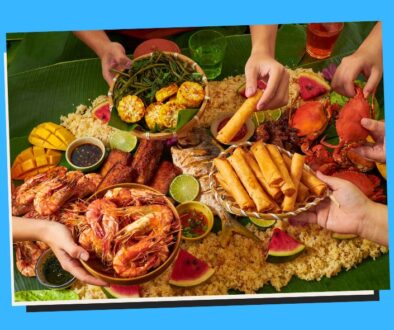
Sip Your Way Through Filipino Traditions: The Best Beverages for Every Occasion
Craving something refreshing? Discover the most iconic Filipino beverages that define the islands’ culture and climate.
Filipino Beverage Traditions: A Refreshing Journey Through the Islands of the Philippines 🍹🌴
The Philippines, with its rich history, diverse cultures, and warm climate, is a paradise not just for tourists but also for lovers of delicious, refreshing beverages. From the classic “sago’t gulaman” to the renowned “buko juice,” Filipino beverages have become integral to the culture and everyday life of its people. The Philippines boasts a wide array of drinks that reflect its traditions, natural resources, and local creativity.
In this article, we’ll explore Filipino beverage traditions, their benefits, pros and cons, case studies, key takeaways, and answer some frequently asked questions. Let’s dive into the cool, refreshing world of Filipino drinks!
Benefits of Filipino Beverages 🍹
- Hydration in Tropical Heat
Filipino beverages are often made from fruits and natural ingredients that help to keep you hydrated in the hot, tropical climate of the Philippines. Drinks like buko juice (young coconut water) and sago’t gulaman provide much-needed hydration during scorching days. - Rich in Nutrients
Many Filipino drinks, especially those made from fruits like mango, coconut, and pineapple, are packed with essential vitamins and minerals. These natural ingredients boost the immune system and promote overall health. - Cultural Significance
Beverages like tuba (fermented coconut sap) or lambanog (coconut vodka) have been enjoyed by Filipinos for centuries and are integral to local customs, making them a cultural treasure that connects modern-day Filipinos to their ancestors. - Delicious and Refreshing Flavors
Filipino drinks are known for their vibrant and unique flavors. Whether it’s the sweet, creamy taste of a milkshake or the tangy zing of a fruit shake, these beverages always satisfy the palate. - Natural Sweeteners
Rather than relying on artificial sugar, Filipino beverages often use natural sweeteners like sugarcane, coconut sugar, and honey, making them a healthier alternative to heavily processed drinks. - Digestive Aid
Many Filipino drinks, such as ginger-based “salabat,” are great for digestion. Ginger has anti-inflammatory properties and helps soothe the digestive tract, making these drinks an excellent choice after meals. - Boosts Energy Levels
Certain Filipino beverages, like those containing coconut milk or sugarcane juice, provide a natural boost of energy, making them perfect for an afternoon pick-me-up. - Social Connection
Beverages like tuba and lambanog are often enjoyed during social gatherings and celebrations, promoting bonding and togetherness among Filipinos. - Supports Local Agriculture
Many Filipino drinks are made from locally sourced fruits, vegetables, and other natural products. By consuming these beverages, people support the agricultural sector and contribute to the economy. - Variety for All Tastes
From sweet to savory, Filipino beverages cater to every taste preference. Whether you prefer a refreshing fruit shake, a hearty salabat, or a creamy leche flan drink, there’s always something to satisfy your cravings.
Pros and Cons of Filipino Beverages 🍹
Pros:
- Natural Ingredients
Filipino drinks are often made from fresh, locally sourced fruits, making them healthy and natural. - Hydrating
Many drinks are designed to quench thirst in the hot tropical climate of the Philippines, providing essential hydration. - Cultural Connection
Beverages are an important part of Filipino traditions and heritage, helping people stay connected to their roots. - Health Benefits
Many Filipino drinks, such as those with coconut water, ginger, and turmeric, offer anti-inflammatory and digestive benefits. - Sweet and Refreshing
Filipino drinks are known for their refreshing and delicious taste, offering a cool respite from the heat. - Customizable
Whether you like your drink sweet or savory, Filipino beverages offer endless customization options. - Nutrient-Packed
Beverages made from tropical fruits like mango and pineapple are packed with essential vitamins and minerals. - Widely Available
Filipino drinks are available in almost every corner of the country, from small roadside stands to high-end restaurants. - Affordable
Most Filipino beverages are inexpensive, making them accessible to people from all walks of life. - Variety
There’s an extensive variety of drinks, from fruit shakes to coconut-based concoctions, ensuring that there’s something for everyone.
Cons:
- High Sugar Content
Some Filipino beverages, like halo-halo and sago’t gulaman, can be high in sugar, which may not be suitable for those watching their sugar intake. - Limited Availability Abroad
Many Filipino drinks are hard to find outside the Philippines, which can be a challenge for people abroad looking for a taste of home. - Possible Allergens
Certain ingredients like coconut, peanuts, or tropical fruits may trigger allergies in some individuals. - Heavy on Calories
Some Filipino beverages, especially creamy shakes and boba drinks, can be calorie-dense, which might not be ideal for those on a weight-loss regimen. - May Contain Preservatives
In some cases, commercial versions of Filipino beverages may contain artificial preservatives and additives, which could affect their nutritional value. - Too Sweet for Some
For those who are not fond of overly sweet drinks, Filipino beverages like “sago’t gulaman” might be a bit much. - Not Always Consistent in Quality
Some street vendors may not have consistent quality, leading to variations in taste and texture. - Alcohol Content
Some Filipino drinks like lambanog contain alcohol, which may not be suitable for all ages or preferences. - Overpowering Flavors
For those unfamiliar with tropical flavors, drinks like “buko pandan” or “sago’t gulaman” might have overwhelming tastes. - High in Sodium
Some drinks, particularly those with added salt like “salabat,” may not be suitable for people with high blood pressure or sodium restrictions.
Case Studies of Filipino Beverages 🥤
- Sago’t Gulaman
One of the most beloved street drinks in the Philippines, sago’t gulaman, combines chewy tapioca pearls (sago) and sweet gelatin cubes (gulaman), making it a refreshing beverage enjoyed by Filipinos for generations. - Buko Juice
The quintessential Filipino drink, buko juice (young coconut water), is famous for its natural sweetness and hydrating properties, often sold by street vendors in coolers throughout the country. - Tuba
Tuba is a traditional Filipino alcoholic drink made from fermented coconut sap. It’s a popular drink in rural areas, often used in social and ceremonial occasions. - Lambanog
Known as “Filipino vodka,” lambanog is distilled from coconut sap and is a staple in many Filipino celebrations, especially in rural provinces like Quezon and Laguna. - Calamansi Juice
Made from the native calamansi fruit, this tangy and sweet juice is a popular drink across the Philippines, often served cold as a refreshing remedy to the tropical heat. - Salabat
Salabat is a warm ginger tea often consumed for its medicinal benefits, especially for sore throats and digestive issues. - Halo-Halo
More of a dessert than a drink, halo-halo is a famous Filipino treat made with shaved ice, sweet beans, fruits, jellies, and topped with ice cream, a perfect refreshment on hot days. - Taho
Taho is a sweet snack-drink made from silken tofu, syrupy sugar, and chewy tapioca pearls. It’s typically enjoyed for breakfast and is sold by street vendors in the morning. - Manggang Hilaw with Bagoong
While not a traditional “beverage,” the mix of unripe mango dipped in shrimp paste (bagoong) is often served alongside refreshing drinks, highlighting the balance of salty, sour, and sweet that defines Filipino cuisine. - Buko Pandan
A Filipino favorite, this dessert-like drink combines young coconut, pandan-flavored jelly, and sweet syrup for a creamy, tropical drink that’s perfect for cooling down.
Key Takeaways 🍹
- Filipino beverages are a reflection of the country’s diverse culture and natural resources.
- They provide hydration and essential nutrients, especially in the hot, tropical climate.
- Many Filipino drinks, like buko juice and sago’t gulaman, are enjoyed during social gatherings and celebrations.
- While these beverages are delicious, some are high in sugar and calories, which should be consumed in moderation.
- Filipino drinks often feature tropical fruits, which are not only tasty but also packed with health benefits.
- There’s a wide variety of beverages to suit all tastes, from sweet to savory, and even alcoholic drinks like tuba and lambanog.
- Some drinks, like salabat and tuba, hold deep cultural significance and are tied to Filipino traditions and customs.
- While many Filipino beverages are affordable and easy to access, there may be some challenges in finding them abroad.
- Filipino beverages are often made from fresh, locally sourced ingredients, supporting local farmers and agricultural industries.
- Whether enjoyed casually on the streets or in formal celebrations, Filipino beverages are an integral part of the country’s social life.
FAQs with Answers
- What are the most popular Filipino beverages?
The most popular beverages in the Philippines include buko juice, sago’t gulaman, halo-halo, and tuba. - Is buko juice good for health?
Yes, buko juice is hydrating, low in calories, and packed with nutrients like potassium and electrolytes. - What is the difference between tuba and lambanog?
Tuba is a fermented coconut sap drink with a lower alcohol content, while lambanog is a distilled coconut drink, much stronger in alcohol. - Can I find Filipino beverages outside the Philippines?
Some Filipino drinks can be found in Asian supermarkets abroad, but availability may vary. - Are Filipino beverages safe to drink?
Yes, Filipino beverages made from fresh ingredients are generally safe to drink, but it’s important to ensure hygiene when buying from street vendors. - What’s the best drink for hydration in the Philippines?
Buko juice is considered one of the best drinks for hydration due to its high electrolyte content. - Can I make Filipino drinks at home?
Yes, many Filipino beverages can be easily made at home with basic ingredients like coconut, sugar, and tropical fruits. - Is halo-halo a drink or a dessert?
Halo-halo is technically a dessert but is often enjoyed as a drink due to its refreshing nature. - What is salabat?
Salabat is a warm ginger tea, often consumed to soothe the throat or aid digestion. - How long can I store Filipino beverages?
It depends on the drink. Most fresh fruit drinks are best consumed within a few hours, while preserved beverages like lambanog can last for months.
Conclusion
Filipino beverages are an exciting and flavorful aspect of the country’s rich cultural heritage. Whether it’s the refreshing buko juice or the hearty halo-halo, these drinks offer more than just flavor—they offer a connection to the history, traditions, and natural resources of the Philippines. As you explore the islands or enjoy them from afar, these beverages will continue to refresh and satisfy your taste buds.
Link resources to further explore Filipino beverage traditions
- Philippine Food and Drink Culture – The Balay
A detailed look at the history, significance, and evolution of Filipino food and beverages. - The Philippine Coconut Authority
Learn more about the importance of coconut in Filipino drinks, including buko juice and lambanog. - Lambanog: The Filipino Coconut Vodka
Explore the rich cultural history of lambanog, a traditional Filipino distilled coconut drink. - Sago Gulaman Recipe
A step-by-step guide to making the beloved Filipino drink, sago’t gulaman. - Discovering the Best Alcoholic Drinks in the Philippines
A comprehensive guide to popular Filipino beverages, including both traditional and modern twists.
Key Phrases
- Filipino beverages
- Buko juice benefits
- Traditional Filipino drinks
- Filipino drinks for hydration
- Best Filipino beverages
- Sago’t gulaman recipe
- Tuba and lambanog
- Mango and pineapple drinks
- Filipino drink culture
- Filipino summer drinks
Best Hashtags
- #FilipinoBeverages
- #TropicalDrinks
- #BukoJuice
- #FilipinoFood
- #SagotGulaman
- #FilipinoDrinks
- #Tuba
- #Lambanog
- #FilipinoCulture
- #TropicalFlavors

DisclaimerThe information is for educational purposes only and subject to change, and it is highly recommended to consult local authorities for the latest and most accurate updates. We do not constitute endorsement of any specific technologies or methodologies or endorse of any specific products or services.Work With UsWe’re always looking for new, exciting ways to collaborate with partners who share our enthusiasm for the Philippines. Work with us and explore exciting opportunities and join us in showcasing the Philippines to the world! |