The Golden King’s Secret: Unlocking the Ancient Art of the Perfect Filipino Lechon Crackle
Forget everything you know about roast pork. The Filipino Lechon is a culinary masterpiece of crispy skin and herb-infused meat. We dive into the science, the history, and the intense rivalry that defines this national dish.
The Golden King: Unraveling the Mystique of Filipino Lechon
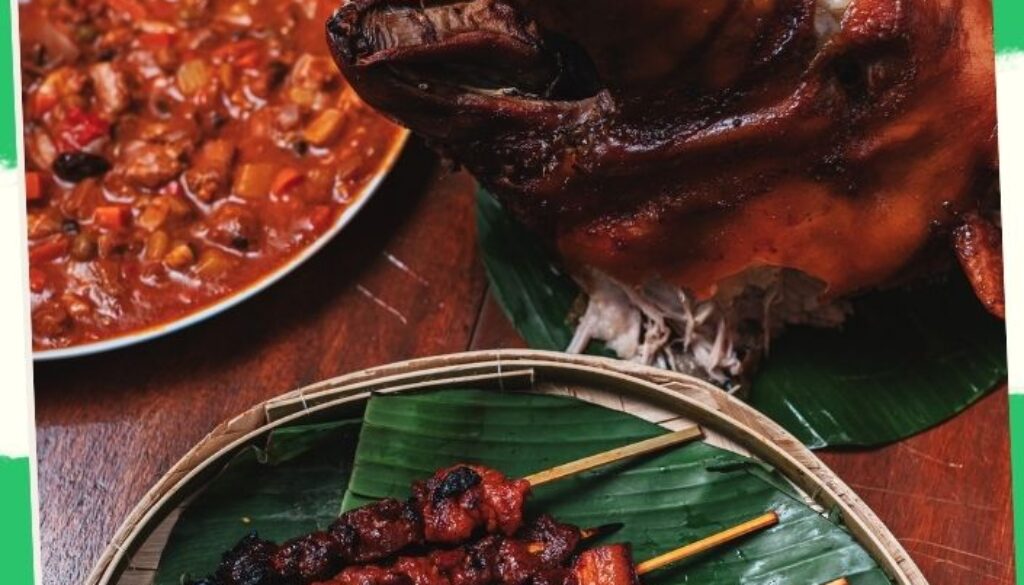
The sight is a feast before the feast: a whole pig, slowly turning over red-hot charcoal, its skin darkening from pale pink to a miraculous, mahogany-red sheen. The sound is an auditory promise: the soft, continuous hiss of rendered fat, punctuated by the faint, crackling symphony of the skin transforming into a layer of edible gold. The aroma is the undisputed scent of Filipino celebration. This is Lechon, the majestic centerpiece of every major Filipino gathering, a culinary icon that transcends mere food and embodies a nation’s history, ingenuity, and boundless love for a party.
Lechon, derived from the Spanish word lechona (suckling pig), has roots that run far deeper than Spanish colonialism. Food historians suggest the practice of roasting pigs over an open fire existed in the archipelago thousands of years ago, a technique known as inasal. The Spanish introduced the term and solidified the whole roasted pig as a fixture of Catholic fiestas. Yet, the uniquely Filipino art of making Lechon, from the intricate stuffing to the meticulous roasting, belongs entirely to the masterful lechonero.
To truly appreciate Lechon is to understand its preparation: a labor of love that involves careful selection, complex seasoning, and an almost religious devotion to the low and slow heat. It is an art with distinct regional schools, each claiming supremacy in the quest for the perfect balance of succulent meat and the definitive crackle.
The Two Great Schools: Luzon vs. Visayas
The Lechon world is broadly divided by two main philosophies, defined by geography and flavor profile.
- Visayan Style (Cebu Lechon): Widely regarded by many as the world’s best. The key to Cebu Lechon is the stuffing. The pig’s cavity is aggressively packed with a heady mix of aromatics: whole stalks of lemongrass, star anise, bay leaves, tons of crushed garlic, and green onions. This stuffing eliminates the need for any external sauce. The slow cooking process allows the herb-infused juices to permeate the meat from the inside out, creating a savory, intensely flavored pork that is delicious on its own.
- Luzon Style (Manila Lechon): This style takes a more minimalist approach to seasoning the meat, focusing on salt and pepper, or perhaps a mild vinegar-soy marinade. Its greatness lies in the texture of the skin and the perfect pairing with a rich Lechon Sauce (sarsa). This thick, dark-brown sauce is traditionally made with mashed pork liver, vinegar, sugar, and spices, offering a sweet, tangy, and savory counterpoint to the simple, crisp meat.
The lechonero is a custodian of this ancient culinary tradition, using intuition over thermometers, and years of experience to manage the fire’s fickle temperature. It is a true art form.
10 Benefits of Mastering the Art
- Cultural Command: Earning the respect of family and friends by serving a perfectly cooked Lechon.
- Ultimate Flavor Infusion: The long roasting time allows the internal herbal stuffing to fully flavor the deepest parts of the pork.
- Perfect Skin Achievement: Mastering the basting and heat control results in a skin that is thin, crisp, and shatteringly brittle.
- Community Building: The multi-hour process turns cooking into a communal event, fostering camaraderie among the men who tend the fire.
- Zero Waste Tradition: The entire pig is utilized, with leftovers transformed into delicious dishes like Lechon Paksiw (stewed in liver sauce and vinegar).
- Economic Viability: Successful Lechon preparation can translate into a thriving culinary business (lechonera).
- Preservation of Heritage: Keeping the traditional spit-roasting technique alive against modernization.
- Nutrient Density: The slow-roasting process renders most of the undesirable fat, leaving a leaner, flavor-packed meat.
- Dietary Versatility: The primary flavoring agents (lemongrass, garlic, salt) are natural and gluten-free, appealing to a wide audience.
- A Show-Stopping Centerpiece: No other dish commands a table or a feast with the same level of grandeur and excitement.
Case Studies in Lechon Mastery
- Zubuchon, Cebu: Gained international fame after being lauded by the late celebrity chef Anthony Bourdain, who called it “the best pig ever.” Their success lies in using native pigs and a high-quality, controlled preparation process.
- Rico’s Lechon, Cebu: Pioneered the popular “Spicy Lechon,” stuffing the pig cavity with chili peppers alongside the traditional aromatics, proving that innovation can thrive within tradition.
- Lydia’s Lechon, Manila: A household name famous for popularizing the Luzon-style Lechon with its signature rich, thick liver sauce, cementing the sauce’s role as a non-negotiable component in Metro Manila.
- Carcar Public Market, Cebu: This entire market functions as a living case study, where countless small lechoneros compete, maintaining the centuries-old tradition of selling freshly-roasted Lechon by the kilo in a high-volume, hyper-local setting.
- The Babaylan Rituals: Historical accounts by Antonio Pigafetta mention pre-Hispanic Visayan shamans (babaylanes) performing ritualistic pig sacrifices, suggesting the spit-roasting of pork has ancient, sacred origins long before the Spanish conquest.
- Lechon de Leche: This variant, using a milk-fed suckling pig, demonstrates the mastery of the lechonero in achieving an impossibly thin, crackling skin on a much smaller, delicate carcass.
- The Lechon Capital of La Loma, Quezon City: A district in Manila where lechoneras line the streets, operating 24/7, showing how a single dish can fuel an entire, specialized micro-economy.
- Lechon Belly Trend: The deboning and rolling of a pork belly slab to achieve the flavor of whole Lechon in an oven at home illustrates successful culinary adaptation of the technique for the modern kitchen.
- The Paksiw Preservation: The creation of Lechon Paksiw (stewing leftovers in vinegar and liver sauce) is a perfect case study in Filipino culinary resourcefulness, ensuring that not a single piece of the precious meat goes to waste.
- The Soda Basting Secret: Many lechoneros secretly use clear carbonated sodas, like 7Up or Sprite, in their basting mixture to promote even browning and aid in the blistering of the skin, showcasing a modern technique blended with traditional fire control.
Pros and Cons of Traditional Lechon Making
Pros:
- The resulting texture of the meat and skin is unparalleled by modern oven or rotisserie methods.
- The charcoal and wood smoke impart a deep, complex flavor that cannot be replicated with gas or electric heat.
- It serves as a powerful symbol of Filipino heritage and is a central focus for family unity during holidays.
- The large scale allows for feeding hundreds of guests at major community events or fiestas.
- It encourages the use of locally sourced, native pig breeds which often have superior flavor.
- The slow process renders fat naturally, resulting in moist meat and the crispiest skin.
- It is an intensely dramatic culinary spectacle that enhances the festive mood.
- The use of all-natural, fresh aromatics (lemongrass, garlic) maximizes internal flavor.
- The communal cooking process is a valuable skill passed down through generations.
- Leftovers are guaranteed to be transformed into equally delicious second-day meals.
Cons:
- The sheer labor and time commitment often requiring 6 to 8 hours of continuous, manual spit rotation.
- It requires specialized, bulky equipment like a dedicated spit and a large fire pit (lechonan).
- Precise temperature control is highly difficult, relying heavily on the lechonero’s intuition and experience.
- It produces a high amount of smoke, making it unsuitable for indoor or urban residential settings.
- The need for a whole pig limits its preparation to large, expensive celebrations.
- Disposal of the large bones and carcass can be complicated in urban areas.
- The dish is extremely high in fat and calories, often necessitating moderation.
- The risk of inconsistent cooking, especially around the thick shoulder and leg areas.
- Finding truly fresh, high-quality, native pigs can be challenging outside of specialized markets.
- The meat cools and the skin loses its crispness relatively quickly, requiring fast consumption upon carving.
Key Takeaways
- The Skin is the Crown: The success of Lechon is measured entirely by the quality and sustained crispness of its golden skin.
- Know Your Style: Flavor preferences dictate the choice between the sauce-less, herb-stuffed Visayan style and the sauce-dependent, simpler Luzon style.
- Moisture is Internal: The stuffing and the rendered fat, not external marinades, are what keep the meat juicy throughout the long roast.
- Heat Management is Key: The charcoal should be on the sides of the pig, not directly underneath, to prevent burning and ensure even, slow cooking.
- Basting is Essential: Continuous basting with oil or a soda/oil mix helps achieve the signature mahogany color and the final crisping.
- The Lechonero is an Artist: Traditional Lechon is an artisanal craft; no machine can truly replace the watchful eye and subtle adjustments of a seasoned cook.
- It’s a Social Event: The preparation itself is as important as the eating, serving as a powerful bonding experience for the community.
- The Pig Matters: The breed, age, and diet of the pig directly impact the final flavor and skin quality.
- Calamansi and Vinegar: For the Cebu style, the only acceptable accompaniment is often a simple dipping sauce of local vinegar, soy sauce, and calamansi.
- Leftovers are Treasured: The life of a Lechon continues into the next day with the rich and savory Paksiw.
FAQs with Answers
1. Why is the skin of the Lechon so important?
A: The crisp, crackling skin is the most prized part of the Lechon. Its quality is the ultimate gauge of the lechonero’s skill, representing perfection in Filipino roasting technique.
2. What is the main difference between Cebu and Manila Lechon?
A: Cebu Lechon is heavily stuffed with aromatics (lemongrass, star anise), making the meat flavorful enough to eat without sauce. Manila Lechon is simply seasoned and relies on the liver-based sauce (sarsa) for its main flavor.
3. What is Lechon de Leche?
A: It refers to a whole roasted suckling pig, typically less than six weeks old. It is highly prized for its extremely tender meat and very thin, delicate crackling skin.
4. How long does it take to roast a whole Lechon?
A: A standard-sized whole pig (around 20-30kg) typically takes about 5 to 8 hours of continuous roasting over medium to low heat.
5. What is the secret to keeping the skin crispy?
A: Key secrets include drying the skin thoroughly before roasting, constantly turning the spit to cook evenly, basting with oil/soda mixture, and using a final blast of heat to blister the skin just before serving.
6. What is Paksiw na Lechon?
A: It is a popular second-day dish made from leftover Lechon meat and bones, which are stewed in vinegar, soy sauce, garlic, peppercorns, and the Lechon liver sauce.
7. Can Lechon be cooked in a standard oven?
A: A traditional whole Lechon cannot, but smaller cuts like Lechon Belly (boneless pork belly rolled up) can be expertly prepared in a large oven to mimic the flavor and achieve a crispy skin.
8. Why do some lechoneros use soda (like Sprite) in the basting?
A: The sugar in the soda helps the skin caramelize to a rich, dark golden-brown color, and the carbonation is believed by some to aid in the blistering and crisping process.
9. Is Lechon served hot or cold?
A: Lechon is traditionally served piping hot, immediately after it is taken off the spit, to ensure the skin is at its absolute peak crispness.
10. Is the head of the Lechon eaten?
A: Yes, the head is typically saved and used to make other popular dishes like Sisig (a sizzling platter dish) or Dinuguan (pork blood stew).
Conclusion: More Than Just Pork
Lechon is the culinary soul of the Philippines, a symbol of joy, abundance, and tradition that few other dishes can rival. It is a time machine to ancestral cooking methods and a monument to the relentless Filipino pursuit of flavor and festivity. The perfect Lechon requires patience, skill, and reverence for the process, cementing its role not just as a national dish, but as a cherished cultural experience. To carve into that shattering, golden skin is to participate in a piece of living Filipino history. 🎉
Link Resources
- A Taste of History: The Evolution of Philippine Foods – Artikel
- The 36 best places for lechon in Cebu City
- Paksiw na Lechon Kawali
- Lechon: Slow-Roasted Filipino Pork Delicacy Reveals Philippines’ History
- La Loma Lechon Area
Key Phrases
- The Golden King of Filipino Cuisine
- The Art of the Lechonero
- Cebu vs. Manila Lechon Debate
- Shallow-Puncturing for Crispy Skin
- Lechon Paksiw Resourcefulness
- The Secret of the Liver Sauce (Sarsa)
- The Ultimate Culinary Spectacle
- Lemongrass and Star Anise Stuffing
- The Science of Rendering Fat
- Filipino Feasting Tradition
Best Hashtags
- #Lechon
- #FilipinoFood
- #CebuLechon
- #PhilippineCuisine
- #CrispyPork
- #FilipinoFeast
- #Lechonero
- #PorkBelly
- #FoodiePH
- #NationalDish

DisclaimerThe information is for educational purposes only and subject to change, and it is highly recommended to consult local authorities for the latest and most accurate updates. We do not constitute endorsement of any specific technologies or methodologies or endorse of any specific products or services.Work With UsWe’re always looking for new, exciting ways to collaborate with partners who share our enthusiasm for the Philippines. Work with us and explore exciting opportunities and join us in showcasing the Philippines to the world! |