Sustainable Seafood in the Philippines: A Delicious Way to Help Protect Our Oceans
Support sustainability while enjoying incredible flavors! Learn about the best sustainable seafood options and recipes in Filipino cuisine.
Seafood in Filipino Cuisine: A Taste of Tradition and Freshness 🌊🍤
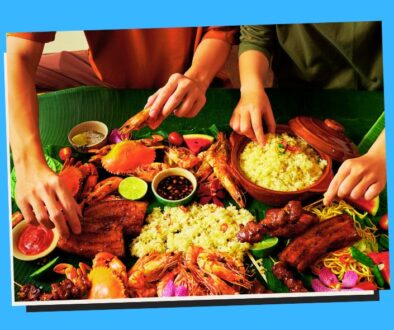
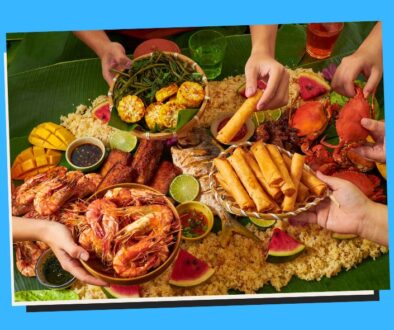
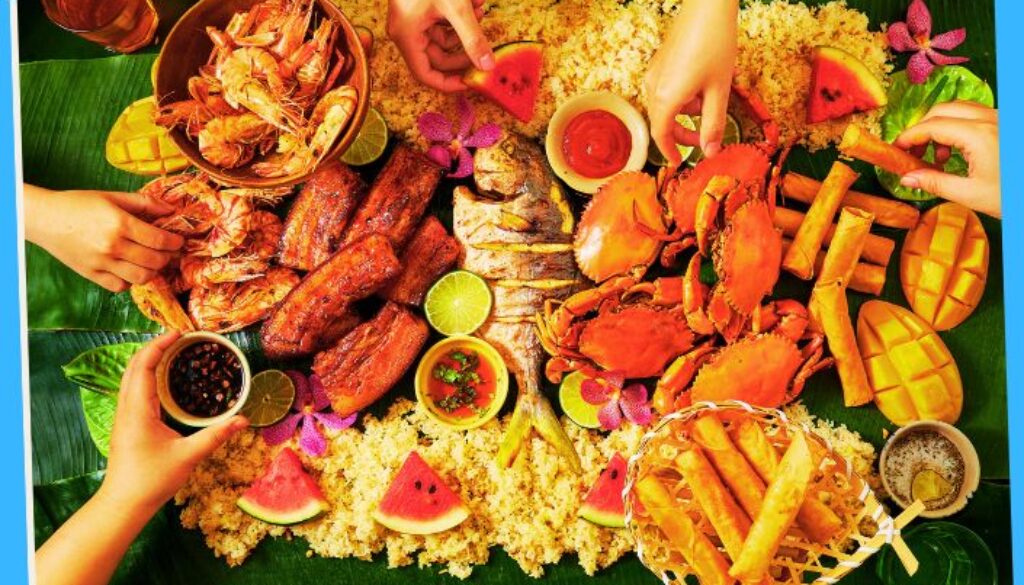
Filipino cuisine is renowned for its rich flavors, diverse ingredients, and the perfect blend of sweet, salty, sour, and umami tastes. Seafood plays a significant role in Filipino food culture, especially since the Philippines is an archipelago surrounded by water. From bustling seafood markets to exquisite home-cooked meals, the seafood in Filipino cuisine is an essential part of daily life, culture, and tradition.
In this article, we’ll dive into the world of seafood in Filipino cuisine, exploring its benefits, tips for cooking, insightful stories, case studies, frequently asked questions, and more. Whether you’re a seasoned chef or a beginner, learning about Filipino seafood will open a new world of flavors and culinary traditions to explore.
Why Seafood Is Essential in Filipino Cuisine
Seafood has been a staple in Filipino meals for centuries. Given the country’s rich coastal regions, it’s no surprise that the Philippines boasts some of the freshest and most diverse seafood options available. Here are 10 benefits of incorporating seafood into Filipino cuisine:
- Nutrient-Rich
Seafood is packed with essential nutrients like Omega-3 fatty acids, vitamins A and D, and minerals such as iodine and selenium. It contributes to a balanced and healthy diet. - Sustainable Source of Protein
Unlike some other forms of meat, fish and seafood are generally more sustainable and accessible, offering a reliable source of protein for Filipinos. - Versatile in Cooking
Filipino seafood can be prepared in many different ways, from grilling and frying to steaming, boiling, and even raw preparations. The possibilities are endless. - Rich in Flavor
The natural flavors of seafood are enhanced by various Filipino cooking techniques, using ingredients like soy sauce, vinegar, calamansi, and coconut milk, making seafood dishes flavorful and satisfying. - Supports Local Fisheries
By choosing local seafood, you’re supporting Filipino fishermen and their families. Many communities rely on fishing as their primary source of livelihood. - Boosts Immune Health
The Omega-3 fatty acids found in many fish are known to support immune health, improve brain function, and even reduce inflammation. - Cultural Connection
Seafood dishes like sinigang na hipon (shrimp in sour soup) and kinilaw (Filipino ceviche) connect Filipinos with their cultural heritage and traditions, making them an essential part of shared meals. - Low in Calories
Many types of seafood are naturally low in calories, making them an excellent choice for those seeking to maintain a healthy weight without sacrificing flavor. - Great for Special Occasions
Seafood often plays a key role in Filipino celebrations such as birthdays, fiestas, and holidays. Dishes like paella and crab with garlic butter are often served during these occasions. - Fresh and Accessible
Since the Philippines is surrounded by water, seafood is incredibly fresh and accessible, often coming straight from the sea to your table, ensuring quality and taste.
Tips for Cooking Seafood in Filipino Style
Cooking Filipino seafood dishes can seem daunting at first, but with the right techniques and ingredients, anyone can create delicious meals. Here are 10 tips for cooking seafood in the Filipino way:
- Use Fresh Seafood
Freshness is key to the best-tasting seafood dishes. Always choose the freshest fish, shrimp, or shellfish available for optimal flavor. - Don’t Overcook
Seafood cooks quickly, so avoid overcooking to preserve its tenderness and moisture. Grilling or frying for just a few minutes is often all you need. - Master the Art of Sinigang
Sinigang na isda (fish in sour soup) is a beloved Filipino dish. Experiment with different souring agents such as tamarind, guava, or kamias for variety. - Seasoning Is Key
Filipino seafood dishes often feature simple yet powerful seasonings like fish sauce, soy sauce, garlic, and onions. A dash of calamansi juice adds a refreshing citrusy kick. - Try Coconut Milk
Adding coconut milk to seafood dishes, such as ginataang seafood (seafood in coconut milk), creates a creamy and flavorful base that complements the natural sweetness of the fish. - Use Local Herbs
Incorporate local herbs like lemongrass, basil, and bay leaves to enhance the flavor of your seafood dishes and bring out a distinctly Filipino taste. - Make Your Own Kinilaw
Kinilaw is the Filipino version of ceviche, and it’s incredibly easy to make. Simply marinate raw seafood in vinegar, calamansi, and spices for a fresh, tangy dish. - Grill for Smoky Flavor
Grilling is a popular method for cooking fish and shellfish. The smoky flavor from grilling adds depth and richness to the seafood. - Experiment with Stews
Filipino seafood stews, such as tinola (fish and vegetable stew), are perfect for cooler weather. Don’t forget to add malunggay (moringa leaves) for added health benefits. - Pair with Rice
Seafood dishes in the Philippines are often served with steamed white rice to soak up the flavorful broths and sauces. It’s a classic pairing that never fails.
Insights on Filipino Seafood Dishes
Filipino seafood is as diverse as the country itself. From coastal towns to bustling metro areas, seafood plays a central role in Filipino cuisine. Here are 10 insights into Filipino seafood dishes:
- Fusion of Flavors
Filipino seafood dishes are a fusion of indigenous ingredients and foreign influences, blending local flavors with Spanish, Chinese, and American culinary traditions. - A Celebration of the Sea
Every Filipino seafood dish highlights the bounty of the sea, showcasing the country’s access to fresh, high-quality seafood. - Cooking with Love
Seafood dishes are often prepared for special family gatherings, where love and care are poured into each dish, creating a sense of unity and connection. - Simplicity Is Key
Filipino seafood dishes are often simple, using few ingredients to highlight the natural flavors of the fish, shellfish, or mollusks. - Rich in Culture
Seafood dishes often have cultural significance, symbolizing wealth, prosperity, and fertility, particularly during festivals and celebrations. - Sour and Savory Combinations
Filipino seafood dishes often combine sour and savory elements, like in sinigang (sour soup), balancing flavors in a unique and satisfying way. - A Way to Connect
Sharing a seafood meal, whether at home or in a restaurant, is a way to bond with family and friends, reinforcing the Filipino value of communal dining. - Health Benefits
Seafood is often considered a healthy food choice in Filipino cuisine, as it’s packed with nutrients and low in fat. - Innovative Recipes
Filipino chefs continue to innovate, creating modern twists on traditional seafood dishes, while still staying true to the essential flavors. - Vibrant Markets
Fresh seafood is abundant in local markets, where you can see a wide variety of fish, shrimp, and shellfish, often sold right off the boat.
Case Studies of Filipino Seafood Dishes
From simple street food to elaborate banquet meals, Filipino seafood dishes come in all forms. Here are 10 case studies highlighting popular Filipino seafood dishes:
- Sinigang na Hipon
A classic Filipino sour soup made with shrimp, sinigang na hipon is loved for its tangy broth and fresh seafood. - Kinilaw na Isda
This raw fish dish is marinated in vinegar, lime, and spices, offering a refreshing contrast to the typically cooked seafood dishes. - Ginataang Alimango
Crab cooked in coconut milk, ginataang alimango is a rich, creamy dish that’s both savory and indulgent. - Grilled Bangus
Bangus (milkfish) is one of the most popular fish in Filipino cuisine, and grilling it adds a smoky flavor that’s perfect with a side of rice. - Pansit Malabon
A type of noodle dish with seafood, pansit malabon features shrimp, squid, and other shellfish, creating a rich and flavorful meal. - Laing na Isda
Fish cooked with laing (taro leaves in coconut milk), laing na isda offers a hearty and flavorful take on Filipino seafood dishes. - Sinigang na Baboy at Hipon
This combination of pork and shrimp in a tangy tamarind broth is a family favorite during rainy days. - Baked Scallops
A popular seafood dish for special occasions, baked scallops are topped with garlic and cheese, then grilled to perfection. - Adobong Pusit
Squid cooked in a soy sauce and vinegar marinade, adobong pusit is a savory dish that’s both simple and flavorful. - Paella
A Spanish influence on Filipino cuisine, paella is a seafood and rice dish, often served during large family gatherings and celebrations.
Frequently Asked Questions About Filipino Seafood
- What is the best seafood to eat in the Philippines?
Popular choices include shrimp, bangus (milkfish), crabs, squid, and oysters. - How do you cook shrimp the Filipino way?
Shrimp is commonly cooked in sinigang, grilled, or served in a garlic butter sauce. - What’s the difference between kinilaw and ceviche?
Both are raw fish dishes marinated in citrus and vinegar, but kinilaw often uses Filipino ingredients like calamansi. - What is the healthiest seafood in Filipino cuisine?
Fish like bangus, tilapia, and mackerel are considered healthy options due to their high Omega-3 content. - Can I find fresh seafood in Filipino supermarkets?
Yes, fresh seafood is available in most Filipino supermarkets and local markets. - What’s the best way to store fresh seafood?
Fresh seafood should be stored in the fridge and cooked within a day or two of purchase. - How do I make sinigang at home?
Use fresh shrimp or fish, add tamarind paste or fresh tamarind, and simmer with vegetables like kangkong (water spinach) and labanos (radish). - Is Filipino seafood affordable?
Prices vary by location and season, but seafood is generally affordable and accessible, especially in coastal areas. - What are some Filipino seafood appetizers?
Kinilaw, shrimp in garlic sauce, and grilled oysters are popular appetizers. - Why is seafood so important in Filipino culture?
Seafood reflects the country’s connection to the sea and plays a major role in Filipino meals, symbolizing wealth, abundance, and community.
Conclusion: Dive Into Filipino Seafood
Whether you’re enjoying a steaming bowl of sinigang na hipon, savoring the flavors of grilled bangus, or tasting the freshness of kinilaw, Filipino seafood offers a rich and diverse culinary experience. With the Philippines’ access to fresh, high-quality seafood, there’s no better way to connect with the country’s history, culture, and traditions. From nutrient-rich benefits to simple cooking tips, the world of Filipino seafood is a journey worth exploring.
As you dive deeper into Filipino seafood cuisine, you’ll not only discover new tastes but also gain a greater appreciation for the rich heritage that comes with every dish. Start cooking, enjoy sharing meals with loved ones, and experience the flavors of the Philippines today!
Link Resources
- Discover Filipino Seafood Dishes
- Better Seafood Philippines
- Irresistible Filipino Seafood Recipes to Savor
- Major Food Festivals in the Philippines
- Seafood Lover’s Guide: 5 Must-Try Filipino Seafood Dishes
Key Phrases
- Filipino seafood dishes
- Best seafood in the Philippines
- Traditional Filipino seafood recipes
- Sustainable seafood Philippines
- How to cook Filipino seafood
- Seafood in Filipino celebrations
- Fresh seafood in Filipino cuisine
- Filipino seafood festivals
- Healthy Filipino seafood dishes
- Filipino seafood for special occasions
Best Hashtags
- #FilipinoSeafood
- #SustainableSeafood
- #PinoyFood
- #SeafoodDelights
- #Kinilaw
- #FilipinoCuisine
- #BangusLovers
- #SinigangLove
- #PhilippineFlavors
- #SeafoodFestivals

DisclaimerThe information is for educational purposes only and subject to change, and it is highly recommended to consult local authorities for the latest and most accurate updates. We do not constitute endorsement of any specific technologies or methodologies or endorse of any specific products or services.Work With UsWe’re always looking for new, exciting ways to collaborate with partners who share our enthusiasm for the Philippines. Work with us and explore exciting opportunities and join us in showcasing the Philippines to the world! |