Discover the Sweetest Filipino Desserts That Will Delight Your Taste Buds
Explore the rich world of Filipino desserts, traditional recipes, tips, and cultural stories included!
The Best Filipino Desserts: A Sweet Journey Through Filipino Culinary Heritage 🍰🇵🇭
Filipino desserts are an integral part of the Philippines’ rich culinary tapestry. These sweet treats tantalize taste buds and carry stories, history, and cultural significance passed down through generations. Whether you grew up in the islands or are discovering Filipino cuisine for the first time, the diverse array of desserts offers something for every palate. From sticky rice delicacies to coconut-laden sweets, Filipino desserts celebrate local ingredients and unique preparation methods that make them distinct worldwide.
This article explores the best Filipino desserts, their benefits, expert tips for enjoying or making them, fascinating insights, inspiring case studies, answers to frequently asked questions, and much more. Prepare yourself for a delicious and informative journey!
Benefits of Filipino Desserts
- Cultural Connection
Filipino desserts are a gateway to understanding Filipino traditions, festivals, and family gatherings. - Use of Natural Ingredients
Many Filipino sweets highlight coconut, rice, and tropical fruits, which are locally grown and less processed. - Variety for All Tastes
From creamy and rich to light and refreshing, Filipino desserts cater to a wide range of preferences. - Energy Boosting
Many desserts are carbohydrate-rich, providing a quick energy source for busy days. - Supports Local Farmers
Ingredients like coconut, sugarcane, and bananas promote sustainable agriculture. - Perfect for Sharing
These treats are often made in large batches, ideal for celebrations and community bonding. - Gluten-Free Options
Several traditional Filipino desserts use rice or root crops instead of wheat flour. - Innovative Fusion
Modern Filipino desserts blend traditional flavors with international influences, promoting culinary creativity. - Accessible Ingredients
Most ingredients are affordable and easy to find in Filipino markets worldwide. - Healthier Alternatives
Many desserts use natural sweeteners and unrefined ingredients compared to commercial sweets.
Tips for Enjoying or Making Filipino Desserts
- Use Fresh Coconut Milk
For authentic taste and creamy texture, freshly squeezed coconut milk is preferred. - Perfect Your Rice Flour
Grinding your own glutinous rice or buying fresh rice flour enhances texture, especially for delicacies like bibingka and puto. - Balance Sweetness
Filipino desserts are generally mildly sweet, avoid over-sweetening to keep the traditional flavor profile. - Serve at the Right Temperature
Some desserts, such as leche flan, are best chilled, while bibingka is delightful warm. - Experiment with Toppings
Enhance classics by adding modern toppings like cheese, salted egg, or macapuno. - Mind the Texture
Chewy, sticky, or gelatinous textures are common and cherished; don’t shy away if you’re new to these sensations. - Respect Cooking Times
Many desserts require gentle steaming or baking to achieve the perfect consistency. - Use Banana Leaves
They add aroma and authenticity, especially for baked rice cakes. - Pair with Hot Drinks
Try Filipino coffee or tsokolate (hot chocolate) alongside desserts for an ideal pairing. - Share and Celebrate
Filipino desserts are more than food; they’re symbols of community and joy.
Fascinating Insights about Filipino Desserts
- Historical Roots
Due to centuries of trade and colonization, many desserts have Spanish and Chinese influences. - Diverse Regional Flavors
Each Philippine region boasts unique desserts, reflecting local ingredients and traditions. - Rice is King
Glutinous rice is a staple, featured in most traditional desserts either whole, ground, or fermented. - Coconut Everywhere
The coconut tree is often called the “Tree of Life,” and its milk, sugar, and meat are dessert essentials. - Use of Natural Dyes
Desserts like sapin-sapin utilize natural colors from ube (purple yam), jackfruit, and coconut. - Street Food Culture
Many Filipino sweets are sold as street food, making them accessible to all classes. - Adaptability
Traditional recipes evolve, incorporating ingredients like cream cheese or chocolate to appeal to younger generations. - Health Consciousness
Some desserts incorporate superfoods like chia seeds or quinoa in modern versions. - Celebratory Role
Desserts like leche flan and bibingka are served during Christmas, fiestas, and birthdays. - Symbolism
Certain sweets symbolize prosperity, health, and unity in Filipino culture.
Inspiring Case Studies of Filipino Desserts
- Leche Flan Revival
Small bakeries have modernized leche flan, using organic eggs and artisanal caramel for premium markets. - Ube Craze Goes Global
The purple yam flavor has crossed borders, appearing worldwide in ice cream, cakes, and beverages. - Bibingka for Breakfast
Cafes in Metro Manila are reinventing bibingka with gourmet toppings and innovative presentation. - Halo-Halo Fusion Desserts
Chefs blend the classic halo-halo with international elements like matcha and mochi. - Kakanin Workshops
Community programs teach youth to make traditional rice cakes, preserving heritage and creating livelihood. - Cassava Cake Entrepreneurship
Rural cooperatives produce and export cassava cakes, boosting local economies. - Sans Rival’s Evolution
This layered meringue and buttercream cake has seen many variations, from traditional to vegan. - Maja Blanca Reimagined
Modern desserts infuse maja blanca with flavors like pandan and mango to attract younger consumers. - Street Vendor Success Stories
Street hawkers have turned family recipes into thriving businesses, some even franchising. - Filipino Desserts in Fine Dining
Top chefs incorporate native ingredients to create gourmet versions served in international restaurants.
Frequently Asked Questions (FAQs)
1. What is the most popular Filipino dessert?
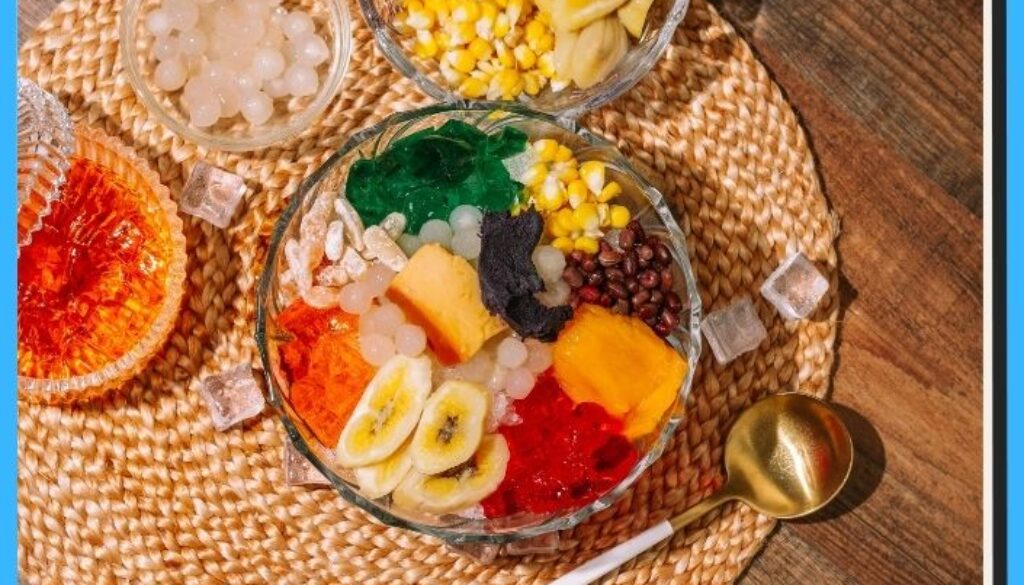
Halo-halo is arguably the most iconic, a refreshing mix of shaved ice, milk, sweet beans, fruits, and toppings.
2. Are Filipino desserts gluten-free?
Many are gluten-free since rice and root crops are primary ingredients, but check for wheat in some modern adaptations.
3. What is kakanin?
Kakanin refers to rice-based snacks or desserts, typically steamed or boiled.
4. Can I find Filipino desserts outside the Philippines?
Yes, many Filipino communities worldwide have bakeries and stores offering traditional sweets.
5. Are Filipino desserts very sweet?
Traditional desserts tend to have mild sweetness balanced with natural flavors.
6. What are some common ingredients?
Rice flour, coconut milk, sugar, ube, and tropical fruits are staples.
7. How are Filipino desserts served?
They can be served hot, cold, or at room temperature depending on the dessert.
8. Are there vegan Filipino desserts?
Yes, many are naturally vegan or can be made vegan with minor substitutions.
9. What is bibingka?
A rice cake baked traditionally in clay pots lined with banana leaves, often enjoyed during Christmas.
10. How do I start making Filipino desserts at home?
Start with simple recipes like biko or ube halaya and gradually explore more complex desserts.
Conclusion: Celebrate Filipino Desserts, Celebrate Filipino Culture
Filipino desserts are more than just sweet treats; they are delicious storytellers of heritage, family, and tradition. Whether you savor a creamy leche flan, a refreshing halo-halo, or a comforting biko, each dessert invites you into a world of Filipino warmth and creativity. Exploring and enjoying these desserts allows you to participate in a shared cultural experience that transcends borders and generations. So, take a moment to indulge, share, and appreciate the best Filipino desserts. Your taste buds and your heart will thank you. Mabuhay and enjoy your sweet adventure! 🍮❤️
Link Resources for Filipino Dessert Enthusiasts
- Panlasang Pinoy – Filipino Recipes
A trusted site with traditional and modern Filipino dessert recipes. - Kawaling Pinoy – Filipino Food and Recipes
Offers detailed step-by-step guides and videos. - Filipino Food Recipes – Youtube Channel
Visual learners can follow along with dessert-making tutorials. - Discover the Rich Flavors of Filipino Cuisine
Explore the cultural background of popular desserts. - Filipino Recipes
Allrecipes makes Filipino cooking a tropical breeze. With more than 210 recipes, pancit, longanisa, lumpia, and adobo can be on your table before you know it.
Key Phrases
- Filipino traditional desserts
- Best Filipino sweets
- Popular Filipino desserts
- How to make Filipino desserts
- Filipino rice cakes
- Ube desserts Philippines
- Halo-halo recipe
- Filipino kakanin recipes
- Filipino dessert ingredients
- Filipino dessert culture
Best Hashtags
#FilipinoDesserts
#KakaninLovers
#UbeCraze
#HaloHaloSeason
#SweetPhilippines
#PinoyFoodie
#DessertGoals
#FilipinoFoodCulture
#TasteOfPhilippines
#FilipinoSweets

DisclaimerThe information is for educational purposes only and subject to change, and it is highly recommended to consult local authorities for the latest and most accurate updates. We do not constitute endorsement of any specific technologies or methodologies or endorse of any specific products or services.Work With UsWe’re always looking for new, exciting ways to collaborate with partners who share our enthusiasm for the Philippines. Work with us and explore exciting opportunities and join us in showcasing the Philippines to the world! |