The Green Revolution: Why the Philippines is the World’s Next Agritourism Hub
Explore the Philippine “Green Era” as the country launches its 2026-2031 Farm Tourism Strategic Action Plan, connecting global travelers with authentic rural life.
Sustainable Serenity: Why Farm Stays are the Philippines’ Fastest Growing Travel Trend
The Philippines has emerged as a global leader in agritourism, recently launching the Farm Tourism Strategic Action Plan (FTSAP) 2026-2031 to transform its rural landscapes into world-class travel destinations. With over 7,000 islands, the country offers a diverse array of farm stays, from high altitude organic vegetable farms in the Cordilleras to lush cacao plantations in Davao and heritage mango orchards in Zambales.
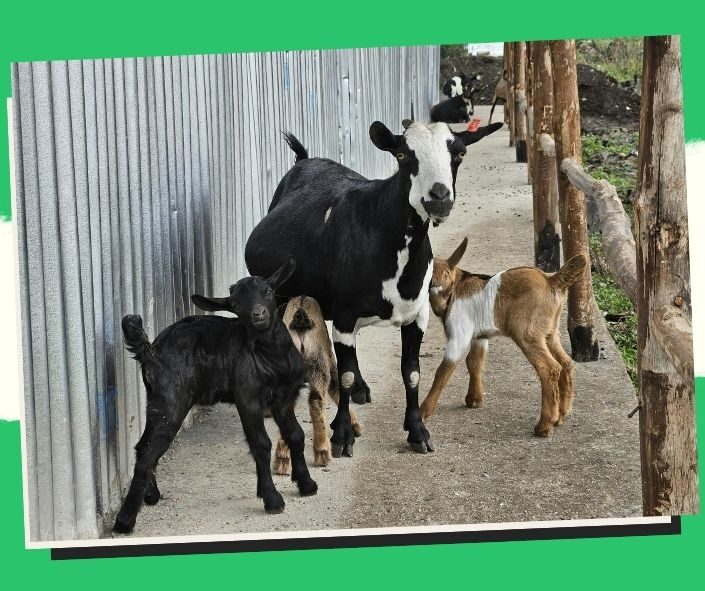
For travelers, these stays provide more than just a bed. They offer a front row seat to the farm-to-table movement, allowing guests to participate in harvesting, animal feeding, and traditional cooking while enjoying the fresh air and tranquility of the countryside. 🌾
Benefits of Philippine Farm Stays
- Direct Support for Farmers: Your stay provides a secondary income stream for local agricultural families.
- Fresh Gastronomy: Enjoy organic, farm-to-table meals where ingredients are harvested just meters from your table.
- Educational Value: Learn traditional Filipino farming techniques, from rice planting to cacao processing.
- Digital Detox: Many farms are located in “quiet zones,” encouraging guests to disconnect from screens and reconnect with nature.
- Sustainable Travel: Farm tourism promotes biodiversity and helps preserve local flora and fauna.
- Unique Activities: Participate in activities you won’t find in hotels, like carabao riding or grape picking.
- Family Bonding: Farms provide a natural playground for children to learn about where their food comes from.
- Mental Wellness: The “green time” found in rural settings is scientifically proven to reduce stress and anxiety.
- Cultural Immersion: Experience the authentic Filipino “probinsya” (province) lifestyle and hospitality.
- Economic Resilience: Agritourism helps prevent urban migration by creating high quality jobs in rural communities.
Pros and Cons of Farm Tourism
Pros
- Authentic, non-commercialized travel experience.
- High value for money compared to luxury city hotels.
- Access to fresh, chemical-free organic produce.
- Support for local heritage and traditional crafts.
- Quiet, peaceful environments away from mass tourism.
Cons
- Accessibility can be difficult; some farms require long drives or rugged transport.
- Presence of insects and farm animals (roosters) can be a surprise for city dwellers.
- Limited high-speed internet in more remote agricultural zones.
- Weather dependency; heavy rains can cancel outdoor farm activities.
- Minimalist amenities in some “traditional” kubo stays.
Case Studies in Agritourism Excellence
- Lomboy Farms (La Union): The pioneer of viticulture in the Philippines, proving that grapes can thrive in a tropical climate.
- The Farm at San Benito (Batangas): A global leader in medical wellness that integrates organic farming with holistic healing.
- Bohol Bee Farm: A success story in community based tourism, producing famous organic ice cream and spreads.
- Costales Nature Farms (Laguna): The first agritourism destination accredited by the Department of Tourism.
- Garin Farm (Iloilo): A unique blend of agriculture, leisure, and pilgrimage tourism featuring the famous “Stairway to Heaven.”
- Rosa Farms (Zambales): A heritage mango orchard that allows visitors to experience the famous Philippine Carabao Mango harvest.
- Bungol Farm (La Union): A center for organic rice production that educates travelers on sustainable staple crops.
- Gabby’s Farm (Laguna): A hill station farm that focuses on cacao and the production of artisanal Filipino chocolate.
- Monteray Ecofarm (Cebu): A 5-hectare property that combines an obstacle course and zipline with organic livestock farming.
- Numana Farm (Bulacan): A “slow travel” destination that specializes in intimate, curated farm stays for families.
Key Takeaways
- The FTSAP 2026-2031 is a landmark strategy to make the Philippines a global agritourism leader.
- Farm stays are the fastest-growing sector in Philippine domestic tourism.
- Agritourism addresses the issue of an aging farmer population by enticing youth into the industry.
- Gastronomy tourism is now a core part of the farm experience, focusing on local flavors.
- Most farm stays are located within 2-4 hours of Metro Manila, making them ideal weekend trips.
- Sustainability is the foundation, with many farms following zero-waste and organic standards.
- Farm stays offer inclusive growth, directly benefiting rural women and indigenous communities.
- The global agritourism market is expected to reach $197 billion by 2032, and the PH is a key player.
- Many farms now offer glamping options to bridge the gap between “roughing it” and luxury.
- Agritourism is officially recognized as a National Priority by the DOT and DA.
FAQs
- Do I need to be a farmer to stay?
- Not at all! Stays are designed for travelers to enjoy the lifestyle, whether you want to work the soil or just relax.
- Are farm stays safe for kids?
- Yes, most are family-friendly and provide controlled environments for kids to interact with animals.
- What is the “Pick and Pay” system?
- You can harvest fruits or vegetables yourself and pay for them at farm-gate prices to take home.
- Is there electricity?
- Most accredited farm stays have full power, though some use solar for a more “off-grid” feel.
- Can I bring my pet?
- Many farm stays are pet-friendly due to their large open spaces; always check with the host first.
- What should I wear?
- Comfortable, breathable clothing and closed-toe shoes or boots for walking in the fields.
- Do I need to book in advance?
- Yes, especially for popular spots like The Farm at San Benito or Bohol Bee Farm.
- Are the meals expensive?
- Usually, they are very affordable as they use ingredients grown right on-site.
- Will I have a private bathroom?
- Most modern farm stays offer private en-suite facilities, though some traditional kubos may have shared baths.
- Is there Wi-Fi?
- Major farm resorts have it, but many smaller farms use satellite internet, which may be slower. 🛰️
Conclusion
The rise of farm stays in the Philippines represents a shift toward more meaningful, grounded travel. By choosing to spend your holiday in the “probinsya,” you aren’t just getting a break from the city; you are participating in a nationwide movement to value agriculture, preserve heritage, and support the Filipino farmer. As the 2026-2031 action plan takes root, the islands are set to become a sanctuary for those who believe that the best way to see the world is through its soil and its soul. 🚜🌱
Link Resources
- Department of Tourism (DOT) – Agri-Tourism Section
- Department of Agriculture (DA) Philippines
- World Travel & Tourism Council (WTTC)
- Guide to the Philippines – Farm Tour Guide
- Southeast Asian Regional Center for Graduate Study and Research in Agriculture (SEARCA)
Key Phrases
- Philippines Farm Tourism Strategic Action Plan 2026
- Best organic farm stays in Luzon
- Agritourism destinations in the Philippines 2026
- Farm to table experience Philippines
- Sustainable travel in the Philippines
- Best farm resorts near Metro Manila
- Filipino agritourism case studies
- Organic farming and tourism Philippines
- FTSAP 2026-2031 action plan
- Educational farm tours for families
Best Hashtags
#FarmStayPH #Agritourism #LoveThePhilippines #SustainableTravel #FarmToTable #GreenTravel #ProbinsyaLife #AgriTourismPH #EcoFriendly #VisitPhilippines2026

DisclaimerThe information is for educational purposes only and subject to change, and it is highly recommended to consult local authorities for the latest and most accurate updates. We do not constitute endorsement of any specific technologies or methodologies or endorse of any specific products or services.Work With UsWe’re always looking for new, exciting ways to collaborate with partners who share our enthusiasm for the Philippines. Work with us and explore exciting opportunities and join us in showcasing the Philippines to the world! |