From Fiesta to Feast: The Resilience and Joy of Filipino Food Culture
Ready for a culinary travel experience that changes your life? Learn the secrets of Kamayan, the significance of Lechon, and the history behind the world’s most welcoming food festivals.
The Grand Filipino Feast: Why Food Festivals are the Heartbeat of a Nation’s Culture
Filipino cuisine is more than just a menu of bold, savory, and sweet flavors; it is a living, breathing story of history, resilience, and community. At the crossroads of this culinary narrative are the country’s vibrant food festivals. These aren’t merely events—they are grand cultural experiences, a jubilant, collective celebration where every dish tells a tale, and every shared meal strengthens the national spirit. From the sizzling spectacle of Lechon to the sweet delight of Halo-Halo, the Filipino Food Festival is a profound testament to the nation’s rich heritage and boundless creativity.
As your personal culinary guide, I want to assure you: attending one of these festivals is a transformative experience. It is where you move beyond tasting food and begin to truly feel the Philippines. Let’s delve into the layers of flavor and significance that make these festivals essential destinations for travelers, food enthusiasts, and entrepreneurs alike.
The Heart of the Feast: 10 Transformative Benefits
The impact of a food festival ripples far beyond the culinary scene. They are powerful engines for cultural preservation, economic growth, and social unity. Here is a clear look at the ten major benefits these festivals deliver:
- Cultural Heritage Preservation: Festivals act as vibrant custodians of tradition, ensuring that ancient recipes and cooking techniques are passed down to new generations.
- Economic Tourism Boost: By attracting both domestic and international visitors, these events significantly increase local commerce, supporting hotels, transportation, and small businesses.
- Promotion of Regional Flavors: They highlight the immense diversity of the Philippines’ 7,000+ islands, giving unique regional dishes—like the rich Kansi from Bacolod or the spicy Bicol Express—a national platform.
- Support for Local Producers (OTOP): Festivals serve as a crucial marketplace for local farmers and craftspeople, often showcasing products under the One Town One Product (OTOP) program, improving their economy.
- Community Socialization and Unity: These gatherings offer an invaluable space for people to reconnect, socialize, and reinforce communal bonds, which is a cornerstone of the Filipino bayanihan spirit.
- Culinary Innovation Showcase: While rooted in tradition, festivals also provide a stage for modern Filipino chefs to experiment with fusion concepts, pushing the evolution of the cuisine.
- Reinforcement of National Identity: They are public, joyous demonstrations of Filipino pride, utilizing food, music, and dance to strengthen a shared sense of cultural identity and nationalism.
- Educational Opportunity: Attendees, especially younger generations, gain firsthand knowledge of the historical context, folklore, and ingredients behind the dishes.
- Global Culinary Diplomacy: International festivals featuring Filipino food, often supported by embassies, promote the cuisine globally, fostering cultural exchange and appreciation.
- A Platform for Artistic Expression: Schools and local artists often participate in festival competitions and performances, enabling learners to explore and display their talents in creative ways.
Behind the Scenes: 10 Key Insights into Filipino Food Culture
To truly appreciate the festival experience, you must first understand the deep-rooted cultural context of the food itself. These ten insights offer a deeper look at the forces that have shaped the Filipino palate:
- The Fusion Foundation: Filipino cuisine is a marvelous melting pot, a result of trade and colonization, blending indigenous ingredients with flavors from Spanish, Chinese, Japanese, and American traditions.
- Flavor Profile of Tamis, Asim, Alat: The national palate is defined by a bold, three-point balance: sweet (tamis), sour (asim), and salty (alat). This interplay is perfectly exemplified by dishes like Sinigang.
- Food as Social Hierarchy: Historically, and even in modern gatherings, food presentation and seating arrangements during a feast can subtly reflect social order and tradition, making a meal a symbolic ritual.
- Resourcefulness and Resilience: The cuisine showcases resourcefulness. Traditional cooking methods emphasize utilizing every part of an ingredient, a lesson in sustainability born from a history of managing limited resources.
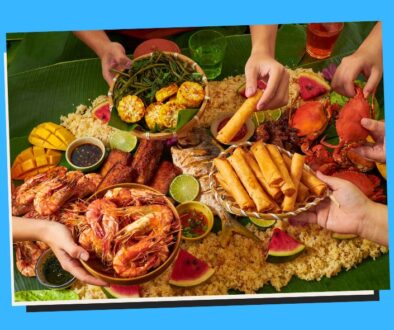
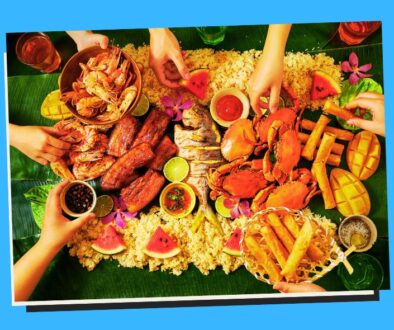
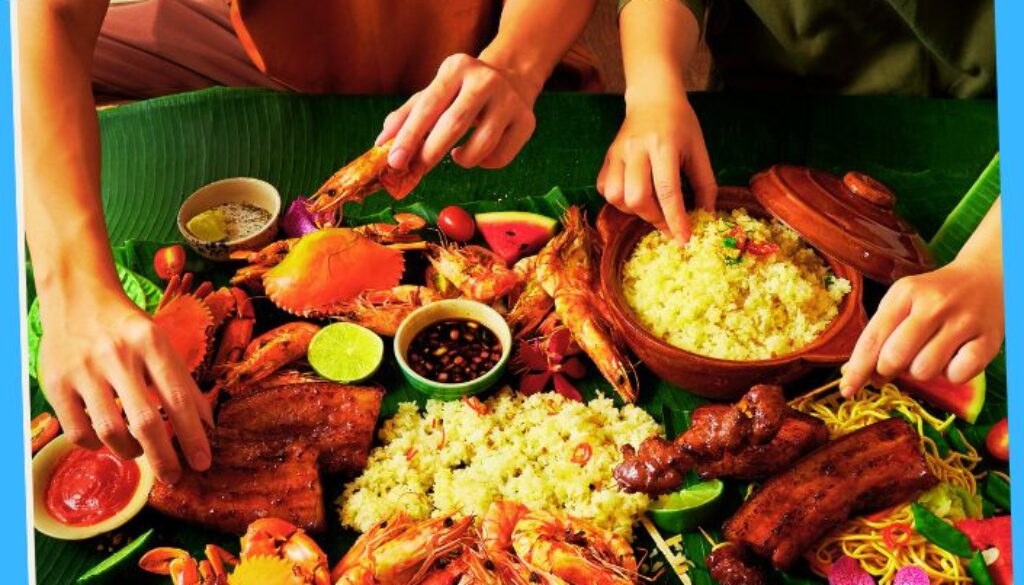
- The Kamayan Tradition: The practice of communal eating with one’s bare hands (kamayan or “boodle fight”) symbolizes unity and a direct, intimate connection to the food and the love poured into its preparation.
- Deep Regional Isolation: Due to the archipelago’s geography, regions developed distinct, localized interpretations of national dishes, making a dish like Adobo taste entirely different from north to south.
- The Power of Ingenuity: Filipino cooking often celebrates simplicity. The depth of flavor is often achieved through lengthy preparation (slow cooking, fermentation) rather than an abundance of complex ingredients.
- Gratitude and the Patron Saint: Many of the most iconic festivals, such as the Sinulog or Pahiyas, are fundamentally rooted in religious beliefs, serving as annual acts of thanksgiving to a patron saint for a bountiful harvest or blessing.
- The Emotional Significance of Lutong Bahay: The food is often linked to priceless memories. The concept of lutong bahay (home-cooked food) suggests that the true flavor of a dish comes from the love (puso) and effort of the cook.
- Culinary Storytelling: Every iconic dish—from the long noodles of Pancit (symbolizing long life) to the celebratory Lechon (representing abundance)—carries profound cultural significance and folklore.
Flavors in Action: Case Studies & Festival Examples
The theoretical benefits and insights come alive in the context of specific festivals. These ten examples highlight the incredible range and impact of Filipino food celebrations across the globe:
- The Sinulog Festival (Cebu): A massive cultural-religious festival, Sinulog is famous for showcasing the best of Cebu’s Lechon (roasted pig), which is widely considered the best in the country, drawing thousands of food tourists annually.
- The Pahiyas Festival (Lucban, Quezon): This celebration of a bountiful harvest focuses on agricultural abundance. Houses are decorated with colorful kiping (rice wafers), and the streets are filled with regional delicacies like Pancit Habhab and longganisa.
- The Kadayawan Festival (Davao City): A thanksgiving for the harvest of fruits and flowers. This festival is the prime location to sample exotic, local fruits like Durian and Mangosteen, alongside local specialties like Kansi and Piaya.
- The Minasa Festival (Bustos, Bulacan): A micro-economic case study where a festival dedicated to a single product—the Minasa cookie—significantly boosts local cultural traditions and socialization, while also serving as a tool to market the town’s signature product to a wider audience.
- International Culinary Diplomacy (Saudi Arabia): The participation of the Philippine Embassy, in partnership with brands like Mama Sita’s, at the Food Culture Festival in Riyadh successfully promoted Filipino fare like Adobo and Kare-Kare to a global audience, serving as a template for other embassies.
- The MassKara Festival (Bacolod City): While known for its “Festival of Smiles” and colorful masks, its food fair is a major draw, emphasizing regional street food and specialties like Chicken Inasal and local sugarcane products.
- Madrid Fusion Manila: This high-level, international event focused on the fusion of Spanish and Filipino cuisines. It elevated Filipino food’s global profile, showcasing it as a sophisticated culinary force rather than just street food.
- Filipino Food Month (Buwan ng Kalutong Pilipino): Instituted by Proclamation No. 469, the April-long national celebration ensures that the entire country engages in promotional activities to appreciate, preserve, and pass on the rich culinary traditions to future generations.
- The Boodle Fight Festival: A celebration of the military-inspired kamayan style of eating, where mounds of rice and viands are served on banana leaves, fostering an intense, intimate sense of camaraderie and shared experience.
- The Filipino Island Fest (US/International): Festivals held abroad, like the one in Alameda, CA, serve as crucial cultural anchors for the diaspora, featuring food vendors and cultural programs that connect overseas Filipinos and introduce the culture to others.
Your Culinary Compass: 10 Essential Tips for Festival-Goers
Attending a Filipino food festival is an adventure for all five senses. To make the most of your experience, here are ten confident, clear, and actionable tips:
- Coordinate Your Travel Dates: Maximize your experience by aligning your travel schedule with the festival’s official dates, which often span several days and can change annually.
- Embrace Light, Breathable Attire: The Philippines is a tropical climate. Wear light, comfortable clothing, and don’t forget a hat and sunscreen for protection during street parades.
- Prioritize Hydration and Breaks: In the tropical heat, staying hydrated is crucial. Allow yourself frequent breaks from the crowds to rest and enjoy the festivities at a comfortable pace.
- Follow the Crowd for Street Food: When sampling street food, choose stalls that are busy and have a high turnover of product to ensure the freshest and highest-quality ingredients.
- Always Carry Local Currency (Cash): While many large-scale events are modernizing, smaller, local vendors at festivals often rely exclusively on cash transactions.
- Interact with Local Vendors: Engage the local vendors, asking about the history of their dish and where they source their ingredients. This interaction is key to gaining a deeper cultural understanding.
- Secure Your Personal Belongings: Festivals draw large crowds, so be mindful of your valuables. Keep your belongings secure, and consider carrying only what is essential for the day.
- Go Beyond the Lechon: While iconic, don’t miss out on regional specialties like Puto Bumbong, Bibingka, or exotic local fruits that are often only available during festival times.
- Use Public Transportation: Traffic can be intense around festival locations. Utilizing public transportation or ride-hailing apps is often the most efficient way to navigate the area.
- Capture, But Be Respectful: Capture the vibrant moments and colors of the festival, but always be respectful of local customs and personal space when taking photos of performers or locals.
Savor the Story: Frequently Asked Questions (FAQ)
We know that attending a large festival can raise a few questions. Here are the answers to the ten most common queries from travelers:
- What defines a Filipino Food Festival? These are vibrant, often multi-day celebrations that blend Catholic, indigenous, and secular traditions to honor a patron saint or a bountiful harvest, always featuring an elaborate spread of local and traditional food.
- What is Adobo, and why is it so important? Adobo is a savory dish, typically meat marinated in vinegar, soy sauce, garlic, and peppercorns. It is widely celebrated as the unofficial national dish due to its popularity, versatility, and historical significance across all regions.
- What kind of food can I expect to find? Expect a wide array of grilled meats (Inihaw), roasted pig (Lechon), noodles (Pancit), sour stews (Sinigang), rice cakes (Bibingka), and seasonal fruits unique to the region.
- Are these festivals family-friendly? Absolutely! Most festivals are designed as major community events with activities, parades, and food for all ages, making them perfect for family outings.
- Is it safe to try the street food? Yes, as long as you use common sense. Look for stalls that are clean, busy, and follow good hygiene practices. Trust your instincts—if a stall looks questionable, move on to the next one.
- Where are the most iconic food festivals held? Iconic festivals are celebrated across the archipelago. Key cities include Cebu City (Sinulog), Lucban, Quezon (Pahiyas), and Davao City (Kadayawan).
- What does Kamayan mean, and can I try it? Kamayan means ‘by hand’ and refers to the traditional, communal way of eating where rice and viands are served on banana leaves and eaten without utensils. Many festivals offer boodle fights or kamayan-style meals for you to join.
- What should I wear? Dress comfortably! Think light shirts, shorts, or trousers. Sunscreen and a hat are highly recommended. You will be walking and moving a lot.
- What is Pancit’s cultural significance? The long, uncut noodles of Pancit (a stir-fried noodle dish) are traditionally served at celebrations, especially birthdays, as they symbolize a wish for long life and prosperity.
- Is the food spicy? Generally, Filipino food is not intensely spicy compared to other Asian cuisines. However, regional dishes, particularly those from the Bicol region (like Bicol Express), are known for their significant chili kick. Always ask the vendor before you try.
Conclusion
The Filipino Food Festival is not merely a gastronomic destination; it is an invitation to connect with a culture that values family, community, and joy above all else. It is a confident declaration of the Filipino spirit—a spirit that is resilient, creative, and always ready to celebrate life’s blessings with a feast.
Your culinary adventure awaits. Go forth, taste with an open heart, share a laugh with the locals, and know that with every bite, you are participating in a beautiful, centuries-old tradition. You’ll leave feeling nourished in body, rich in experience, and deeply motivated by the sheer warmth of the Filipino people. Mabuhay! ☀️
Link Resources
- Discover the Best Places in the Philippines: Festivals & Food
- Philippines Food Festivals: Colorful Culinary Celebrations
- FAQs About Filipino Food Culture: Traditions and Flavors
- Philippines Travel Guide: Best Festivals to Experience
- Kamayan: The Culture of Food and Feast in the Philippines
Key Phrases
- Filipino Culinary Adventure
- Regional Filipino Cuisine
- Kamayan Style Dining
- Filipino Fiesta Culture
- Lechon and Adobo
- Cultural Heritage Preservation
- One Town One Product (OTOP)
- Bountiful Harvest Celebration
- Philippine Food Tourism
- Filipino Food Month
Best Hashtags
- #SarapMagingPinoy
- #FilipinoFood
- #Philippines
- #TravelForFood
- #FilipinoFeast
- #Kulinarya
- #Lechon
- #FiestaCulture
- #PinoyFoodie
- #AtingKultura

DisclaimerThe information is for educational purposes only and subject to change, and it is highly recommended to consult local authorities for the latest and most accurate updates. We do not constitute endorsement of any specific technologies or methodologies or endorse of any specific products or services.Work With UsWe’re always looking for new, exciting ways to collaborate with partners who share our enthusiasm for the Philippines. Work with us and explore exciting opportunities and join us in showcasing the Philippines to the world! |